Empower your business with expert knowledge.
Discover the latest strategies, regulatory updates, and expert advice from our leading Chartered Accountants and legal professionals.
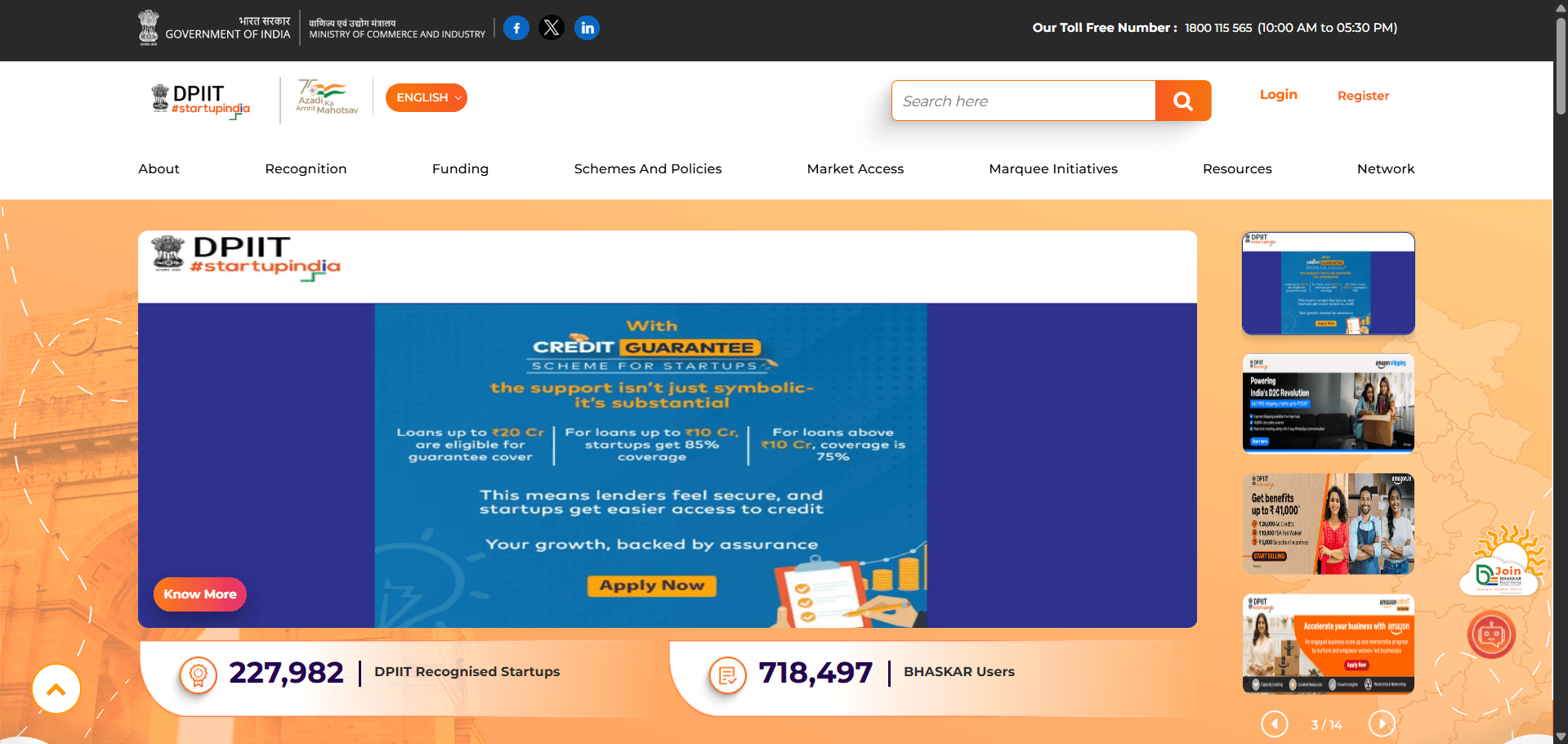
Startup India Seed Fund Scheme - Empowering Innovation
Startup India Seed Fund Scheme - Empowering Innovation Seed funding is the initial stage of investing in a business and typically entails high risk with potentially lucrative returns. Startups use seed funding to refine their plans and build prototypes; incubators evaluate startups with innovative ideas before providing support services such as workspace, mentoring, and training to selected startups. Incubators: If you want to start and expand a business idea, seed funding could be your ticket to success. This type of financing provides initial capital for startups still in development, with prototypes or proof-of-concept models in testing stages, offering high-risk investments but promising significant returns to entrepreneurs. Starting a startup takes time, so incubators provide additional time for startups to prove their concept and gain market recognition. To apply, submit a business plan or pitch deck outlining your product or company, including financial details such as your bank account number. Applying is free and can be completed online. Once approved by an incubator, you will receive seed funding in stages based on progress and milestones achieved. The Startup India Seed Fund Scheme (SISFS) is a government-funded program that assists entrepreneurs with turning their ideas into working businesses. The scheme operates through a network of incubators that offer seed money, workspace, and mentorship to promising startups selected through an open selection process, and then release funds in stages to allow them to prototype their ideas as they develop. Furthermore, investors and other entrepreneurs may connect with these newcomers, providing further opportunities for growth and expansion. SISFS focuses on technology startups that embed innovation into their core products or business models. To support 3,600 entrepreneurs over four years through 300 incubators, including proof-of-concept development, prototype creation, product trials and market entry. Ultimately, this will allow startups to reach a level where they can secure investments from angel investors or venture capitalists, as well as loans from commercial banks. Seed funding eligibility requires that your startup be an independent legal entity registered in India, be less than 2 years old at the time of application, have an innovative idea and strong growth potential, and have a clear revenue model and team in place. Furthermore, no more than Rs 10 lakh in monetary support was received through other government schemes (prize money from competitions or grand challenges, subsidised rental payments for workspace, founder monthly allowance, access to labs or prototyping facilities, etc.). Grants: Seed funding is an integral component of starting up an innovative startup. As the initial investment into any business, this type of funding allows entrepreneurs to test their ideas and determine whether they are likely to turn a profit. Furthermore, seed funding affords entrepreneurs time to develop their business plans and seek potential investors, but applicants must understand its nuances before submitting an application. Entrepreneurs seeking seed funding must meet several requirements to qualify. Most importantly, startups must have a clear idea of their mission and target market, a profitability and commercialisation strategy outlined in a viable commercialisation plan, and a proof-of-concept document in place. If these criteria are met, entrepreneurs can apply for seed funding from multiple sources. The Startup India Seed Fund Scheme (SISFS) provides financial assistance to startups to conduct proof-of-concept trials. This funding may enable them to graduate to raising investments from angel investors and venture capital firms, as well as from bank loans. Incubators act as intermediaries who disburse these funds; to qualify, startups must possess technologically driven business ideas with market relevance. Seed funding can be challenging to secure for startups in their infancy, particularly those developing prototypes and validating ideas. Investors tend to shy away from such investments. At the same time, lenders require proof of concept before granting loans, creating additional challenges for young entrepreneurs who lack the resources to validate and test prototypes. Entrepreneurs seeking seed funding should take advantage of free services from government agencies to increase their chances of securing seed capital. Such programs may offer guidance on writing a business plan, obtaining financing, and applying for SISFS; they may also help build networks with other startup owners and investors while better understanding startup ecosystems and policy landscapes. Debt or convertible debentures: SISFS provides early-stage startups with financial support in the form of grants and debt or convertible debentures to strengthen innovation, promote entrepreneurship, create jobs across the nation, and give entrepreneurs the seed capital they need to test ideas and build prototypes, which may attract investments from private investors or commercial banks. All applications must go through incubators, which evaluate startups through an open process, ensuring that only the most deserving receive assistance through this program. Startups may receive grant support of up to Rs. 20 lakh from the government to validate their proof of concept and conduct product trials, with up to Rs. 50 lakh is being released as debt or convertible debentures to facilitate market entry and growth. Funds are released based on each business's progress, allowing their incubators to track each startup's development and make decisions tailored to individual needs. SISFS's eligibility requirements require that startups recognised by DPIIT be no more than 2 years old at the time of application and meet certain other requirements; any that do not fulfil these standards are rejected outright. A comprehensive application is also necessary; failing to do so can result in rejection. Applicants should submit their applications via an established incubator with proven success in working with startups. Incubators offer various benefits to startups selected for their programs, including office space, mentorship, and training. Furthermore, incubators may provide seed money or services that help startups prepare for investor meetings. Furthermore, incubators boast extensive networks of investors that may connect them to potential partners and customers. Incubators provide startups with assistance for documenting, negotiating and signing legal agreements with government bodies. They can also offer advice on structuring ventures to minimise risks. Finally, incubators can assist startups in developing business models that attract investors, creating websites and social media accounts, and devising marketing strategies to maximise their chances of success. Market entry: The Startup India Seed Fund Scheme (SISFS) can be an invaluable source of funding, providing early-stage startups with the capital needed to test and refine their ideas in real-world conditions and enhance product or service quality. Working through incubators as intermediaries, this fund disburses funds directly. Reducing personal investment requirements while simultaneously stimulating innovation. Furthermore, demonstrating government recognition could help startups secure funding in future rounds. Entrepreneurs often struggle to secure seed funding, as angel investors and venture capitalists require proof of concept before providing funding. To address this challenge, the SISFS program assists startups in their proof of concept development, prototyping and product trials to reach a point where they can secure investment from angel investors or bank loans. The SISFS program operates through incubators that serve as intermediaries to assess applications and select eligible startups for funding. Each incubator's committee evaluates each startup's potential for growth and impact before selecting those with the most promising ideas to fund them in stages tied to milestone achievements, ensuring they use their funds responsibly to reach their goals. Entrepreneurs looking to apply for the SISFS program must register on the Startup India portal and fill out their profile with basic details. In addition, DPIIT recognition must be applied for to participate. Applicants may use the portal search to find eligible incubators; alternatively, they can contact each incubator directly about this scheme. Incubators provide startups with many advantages, including free workspace and access to expert consultants. Furthermore, incubators can facilitate networking events, seminars, and workshops, and assist startups with legal, tax, and marketing issues. Furthermore, incubators connect startups with potential investors and support their commercialisation efforts; they may also help startups establish relationships with other incubators or government agencies.
Stand Up India - A Government Initiative to Promote Entrepreneurship
Stand Up India - A Government Initiative to Promote Entrepreneurship Stand Up India Scheme is a government initiative to assist SC/ST and women entrepreneurs in creating greenfield enterprises. It offers loans of up to Rs 10 lakh as part of its financial inclusion efforts. This scheme is available to individual entrepreneurs and corporates that hold at least 51% stake of SC/ST or women-held shares. It requires submitting a project report and receiving assistance from designated help centres. ?10 Lakhs: The Stand Up India Scheme offers loans of up to Rs 10 lakh to entrepreneurs from Scheduled Castes (SC) and Tribes (ST), including women. This initiative was created to encourage entrepreneurship among minority groups, boost new businesses, reduce unemployment in India, improve the lives of its people, and ultimately promote economic development. The government invested in this scheme because it creates jobs while simultaneously reducing unemployment in India. Furthermore, this scheme helps develop skills and provide entrepreneurial training. The government has established a network of support centres which offer guidance and financial assistance to entrepreneurs. Furthermore, the Centres for Entrepreneurship Development organize workshops, seminars, and conferences to educate entrepreneurs on various aspects of business, while trained professionals assist in the startup process. This scheme offers greenfield projects to individual entrepreneurs as well as non-individual enterprises to increase economic inclusion among marginalised communities and encourage entrepreneurship across industries such as manufacturing, services, agriculture-related activities, and trading. To apply, applicants must submit documents such as bank details, proof of identity, and income tax returns. Additionally, the scheme offers a 25% margin money component in addition to any eligible Central or State subsidies. However, note that each borrower must contribute at least 10% of the project costs as a personal contribution. Over the coming years, the government intends to overhaul and broaden coverage for its Stand Up India Scheme. The revised scheme will offer loans of up to Rs 2 crore with faster credit disbursement, supporting more beneficiaries and online entrepreneurship skill-building initiatives. The Stand Up India scheme is an excellent way to start a new business, providing both funding and mentorship to help you develop your ideas into viable entrepreneurial ventures. Furthermore, its ease of application and eligibility requirements ensure maximum convenience when starting a venture. ?1 Lakh: Stand Up India seeks to promote entrepreneurialism among women, Scheduled Caste (SC), and Scheduled Tribe (ST) communities in India. Its primary goal is to provide financial assistance for starting new businesses; unlike many government schemes, Stand Up India does not require collateral, as credit can be granted without it. Additionally, it offers mentorship and guidance services, with up to one Lakh available under this scheme. The Stand Up India scheme provides loans of up to one crore for setting up greenfield projects in the manufacturing, services, and trading sectors. This loan includes both a term loan and a working capital credit component. It is meant to promote entrepreneurship, both rural and urban, by providing access to the funds needed to set up new enterprises. This initiative will enable small and medium-sized enterprises to set up their own businesses, spurring economic development nationwide and reducing unemployment and poverty. Furthermore, this scheme will increase the production of environmentally friendly e-rickshaws while contributing to the Swachh Bharat Abhiyan by reducing pollution and creating skilled employment. In 2024, the government increased loan limits to 1 crore for SC/ST and women entrepreneurs to boost credit flow and expand eligibility. Furthermore, they will unveil an updated version of this scheme in September 2025. Though the scheme has proved popular, it does have some drawbacks. Notably, its growth in loan issuance and disbursement has remained flat, while critics have also highlighted insufficient clarity regarding eligibility criteria and other aspects of its program. For this scheme to be effective, the government should establish clear eligibility criteria, including minimum education and experience requirements, and targeted training programs for SC/ST entrepreneurs, women entrepreneurs, and members of minority ethnic communities. In addition, more tax incentives should be offered for startups. ?7 Lakhs: The Stand Up India Scheme seeks to foster entrepreneurship among women and Scheduled Caste and Scheduled Tribe (SC&ST) communities by offering financial assistance, mentorship, skill training programs, and promotion of business ideas and innovation. It has received an allocation of Rs 10,000 crore by the government - a substantial sum that could change the lives of many entrepreneurs. The amount provided under the Stand Up India Scheme varies depending on the project type and the individual's background, ranging from Rs. 10 lakh to Rs. 1 crore. It is designed for entrepreneurs starting new greenfield businesses, whether manufacturing- or trading-oriented. Stand Up India Scheme goes beyond financial assistance by providing mentorship and business development support - essential components to encouraging entrepreneurialism among marginalised communities. Loan amounts up to 75% of total project cost (term loan plus working capital); however, entrepreneurs must contribute at least 10%. Aspiring entrepreneurs should familiarize themselves with the requirements of the Stand Up India Scheme before applying. Doing so can help prevent delays during loan processing and ensure they fulfill all requirements, giving them enough money to start their own businesses. Additionally, this scheme will assist businesses with accessing other government schemes, giving them a competitive edge and increasing productivity - especially crucial for small-scale and first-generation entrepreneurs. As an example, pedal rickshaw pullers could upgrade to E-rickshaws to increase income threefold! The Stand Up India Scheme is an integral step towards financial empowerment for marginalised groups. With clear eligibility requirements, defined lending terms, and supportive structures aimed at encouraging sustainable entrepreneurship. Prospective entrepreneurs should carefully compare this program with private financing options by checking interest rates on business loans and using an EMI calculator. ?18 Lakhs: No matter the economic climate, the Stand Up India Scheme remains one of the most successful government initiatives to support marginalised people in becoming entrepreneurs. This initiative offers financial support ranging from Rs 10 lakh to Rs 1 crore to individuals belonging to Scheduled Castes (SC), Scheduled Tribes (ST), women, and other underrepresented communities - this funding can then be used either to launch or expand an existing enterprise, while additional handholding services such as training and guidance provide valuable additional assistance - this scheme's ultimate purpose being stimulating economic development through new business ventures while supporting new business ventures while encouraging new ventures while stimulating economic expansion through business initiatives and increasing economic growth through these means. The Stand Up India Scheme consists of three pillars. The first focuses on providing financial support for entrepreneurs; the second on business development assistance; and the third on mentoring and handholding support. These three elements come together to promote entrepreneurship among women and SC/ST groups. To apply for the Stand Up India Scheme, visit its official portal and provide basic personal details. Once submitted, an OTP will be sent directly to your mobile phone so you can verify if your application was accepted and can access loan amounts and benefits available through the Startup India Portal - even use its Business Loan EMI Calculator tool to plan repayments or compare financing options! Stand Up India, managed by the Ministry of Finance, is an ambitious government program. Nirmala Sitharaman currently oversees this scheme designed to encourage entrepreneurialism among marginalised communities with limited resources while providing financial aid. This initiative recognizes the contribution of small businesses to economic development. Stand Up India provides up to 15% margin money to help startups offset initial costs. When combined with other central or state schemes, this helps alleviate the burden on entrepreneurs, allowing them to focus on growing their businesses without financial stressors becoming an impediment to success. Stand Up India Scheme funding applicants can take advantage of several opportunities, including incubation programs, mentorship support, and funding options. There may be restrictions regarding which projects can be funded; therefore, you must understand these restrictions to ensure you apply for appropriate financing options.
Rajasthan Tourism Unit Policy 2024
Rajasthan Tourism Unit Policy 2024 Senior industry leaders hailed the policy's ease of starting and operating tourism businesses, as well as provisions such as discounted bar licenses for heritage restaurants. The Rajasthan government has launched several projects to boost tourism. These initiatives include developing the Maharana Pratap Tourist Circuit, the Krishna Gaman Path, and the Braj-Dwarka pilgrimage routes. 1. Eco Tourism Unit: The policy is expected to increase investment, entrepreneurship, and employment within Rajasthan's tourism industry. Under its provisions, starting and running tourism businesses in Rajasthan should become easier as licensing requirements will become more flexible; tourism businesses such as hotels and restaurants will now be eligible to purchase government land at agricultural or residential rates rather than commercial rates and receive 10-year licences (instead of just 1 or 10), along with fire safety certificates which last three years rather than just one. Kuldeep Singh Chandela and Virendra Singh, President and Secretary General, respectively, of the Federation of Hospitality and Tourism of Rajasthan, lauded its focus on sustainable tourism growth and the innovative measures taken by state authorities. They highlighted ecotourism units, film cities, heritage restaurants, and hotel housing as key benefits of tourism development in Rajasthan. They praised cheaper bar licenses for heritage hotels as a major boon. The state government of Rajasthan is investing an estimated Rs 5,000 crore in destination development, expansion of tourist facilities, and branding initiatives to promote Rajasthan globally. To assist this initiative, the Rajasthan Tourism Infrastructure and Capacity Building Fund (RTICBF) was created. Maharana Pratap tourist circuit development projects are underway in Chawand, Haldighati, Gogunda, and Kumbhalgarh, among other locations associated with Maharana Pratap. Khatushyamji Pushkar Nathdwara is creating comprehensive religious tourism circuits, while restoration and development work is currently underway at 252 religious sites throughout Rajasthan. 2. Studio Complex: An integral studio complex that spans 10 acres dedicated to filmmaking. Features flexible outdoor shooting areas. It may also serve as a tourist attraction with attractions such as gardens, parks, museums, and shopping. A dedicated tourism circuit for Maharana Pratap, including Chawand, Haldighati, Gogunda, Kumbhalgarh, as well as other places associated with his legendary life. Senior hospitality leaders have applauded the Rajasthan Tourism Unit Policy 2024 for its focus on sustainable growth and its innovative provisions that encourage investment in the sector. These leaders particularly noted financial incentives such as stamp duty exemptions, development and conversion charges waivers, concessional bar licenses for heritage hotels and restaurants, and freehold lease opportunities for heritage properties as significant inducements to encourage investment in these sectors. 3. Resort: Since 4 December 2024, Rajasthan has implemented a new policy to promote tourism and boost its growth. This makes it much simpler to open and operate businesses in this sector, which should further spur its development. Furthermore, lesser-known destinations will benefit from being designated as focus tourism destinations or regions (FTD/FTRs), enabling coordinated action to bolster infrastructure and investment projects. The government offers incentives such as waiving motor vehicle taxes for 22-seater buses, permitting restaurants to buy land at lower rates than agricultural or residential sites, and making bar licence applications easier for heritage hotels/restaurants. The state government of Delaware has set itself the ambitious target of hosting 232 million domestic tourists and 2 billion international visitors by 2030, reflecting its commitment to increasing global tourism appeal through new policies that support this goal, according to industry leaders. Kuldeep Singh Chandela and Virendra Singh, president and secretary general, respectively, of the Federation of Hospitality and Tourism in Rajasthan, applauded its new policy provisions for ecotourism units, film cities, heritage restaurants, and innovative categories that align with its ambitions. Furthermore, these strategic measures -- including waiving stamp duty and conversion charges on heritage buildings -- should stimulate substantial investment. 4. Hotel: To promote tourism, the new policy makes it easier to start and run businesses. For instance, tourism projects that cost Rs 100 crore or more can purchase government land at agricultural or residential rates. Tourism experts have welcomed this change as it will fuel investment opportunities while helping build Rajasthan's global profile. The new policy also includes provisions such as 10-year hotel licenses and 3-year fire safety certificates (previously 1 or 10). Tourism businesses investing in hotels, integrated studio complexes, or resorts can now sell tickets directly and waive the motor vehicle tax for 22-seater buses and larger. Further, this policy allows for the development of hotels in heritage buildings (forts, palaces, and havelis) certified under the Rajasthan Heritage Policy, helping preserve cultural heritage while drawing tourists. Additionally, heritage restaurants can obtain discounted bar licences. Furthermore, the state is also actively supporting the Maharana Pratap Tourist Circuit with plans to build sites associated with his legendary heroism. Rajasthan Tourism Infrastructure and Capacity Building Fund was also established, supporting tourism development works worth up to Rs 5,000 crore. Thus far, 662 havelis have been identified for conservation under the Shekhawat Haveli Conservation Scheme, while 62 heritage hotels/properties have received their heritage certificates under this program. 5. Hospitality Complex: Hotel located within a historic building (forts, palaces, and havelis built before 1.1.1950 and certified as part of the Rajasthan Heritage Policy. Exempt from minimum investment/plot size requirements while upholding its original architecture - new construction should not exceed 50% of the total built-up area. Tourism projects offering adventure, recreation, games, and entertainment to all age groups require at least 10 lettable rooms on land with an investment of Rs 2 crore. Tourism stakeholders applauded the new policy, believing it would drive investment and employment within the sector. They noted its provisions, such as concessional bar licenses for heritage hotels and restaurants to preserve Rajasthan's cultural heritage while enriching tourist experiences, and its reduction of motor vehicle tax on 22-seater coaches, which encourages more tourists to travel by road. The state government of Rajasthan is currently undertaking various projects to boost the tourism industry and attract more visitors, such as developing the Maharana Pratap Tourist Circuit at Chawand, Haldighati, Gogunda, Kumbhalgarh, Dever, and other locations associated with the legendary king Maharana Pratap. Also under construction are tribal tourist circuits and religious sites, such as Khatushyamji Temple and Tanot Mata Temple, both near the India-Pakistan border. In all these projects, the Rajasthan Tourism Infrastructure and Capacity Building Fund (RTICBF) has been established by state authorities to support destination development, expansion of tourist facilities, and branding initiatives. 6. Integrated Tourism Village: Integrated Tourism Villages will boost Rajasthan's tourism infrastructure, encourage ecotourism, and create employment opportunities. These villages will feature accommodation, restaurants, and a range of recreational activities. This policy will also support the development of studio complexes and resort housing, aiming to boost tourism in areas of natural beauty and ecological significance. Furthermore, it will make it simpler for businesses to open tourism-related businesses. Tourism businesses will soon be allowed to buy 10% of government land near their projects at agricultural or residential rates. They will have access to 10-year licenses instead of having to choose between 1- or 10-year permits. They'll also be able to purchase commercial vehicles at reduced rates. Senior industry leaders predict the new policy will benefit both the state's economy and tourism, positioning it as a global tourism leader. They lauded its emphasis on motel-way-side amenities and resort housing development, as well as the waiver of the motor vehicle tax for 22-seater coaches. This new policy also seeks to foster responsible and sustainable tourism while empowering local communities to lead their own development. ITDP has supported initiatives at Lake Toba that improve tourist facilities while giving local people greater control over managing tourism effectively; for example, an Anti-Tourist Assistance Force campaign beginning 15 February 2024 that saw action taken against 1,075 miscreants.
Startup India Seed Fund Scheme (SISFS)
Startup India Seed Fund Scheme (SISFS) SISFS provides financial support to startups during their validation stage. This funding may come in the form of grants or debt instruments and will be disbursed over time based on each startup's progress. To apply, startups must first register on the Startup India portal and submit DPIIT recognition, business details, and a pitch deck. After selecting an incubator for further assessment, a startup may apply. Objectives: The Startup India Seed Fund Scheme (SISFS) is a government initiative that provides financial support to startups during their early development. With an initial corpus of Rs 945 crore, this scheme provides funding for proof-of-concept development, prototyping, product trials, market entry, commercialisation, and angel investor funding; angel investors, venture capitalists, and banks also utilise this fund. SISFS grants loans, tax benefits, and support through incubators. Startups can apply for the Startup India Startup Funding Scheme through one of their preferred incubators. The application process is straightforward and only requires basic information about your business - such as name, address, and other details - from you as an applicant. Once submitted, an incubator will review it, either approving or rejecting it, and provide them with a digital Startup India Recognition Certificate that grants access to government tenders, funding schemes, and tax exemptions. Seed funding is the initial phase of investment in a startup, typically covering prototype development and planning a marketing strategy. Seed funding involves taking on risk by investing in something yet unproven. Still, it can offer lucrative returns on your investment, helping a new venture gain an edge over competitors while expanding its brand image. Eligibility: The Startup India Seed Fund Scheme (SISFS) offers funding for startups at all stages - proof of concept, prototype development, product trials, market access and commercialization. Funds are disbursed through incubators that monitor performance and ensure startups utilize funds properly. Investment support comes in the form of grants or debt/convertible debentures, with grants preferred due to their asset-light nature and the need to validate their business models. Eligible companies can apply to SISFS through the Startup India portal at no cost and in under 5 minutes. DPIIT will then review their applications, and they may receive a digital recognition certificate that grants access to tax benefits and government initiatives. The Credit Guarantee Support System (CGSS) provides credit guarantees to banks and financial institutions that lend to eligible startups, helping mitigate default risk and encouraging lenders to offer unsecured loans without collateral. It also reduces the time and cost associated with loan acquisition, making this option attractive to entrepreneurs. This initiative is part of many steps the Indian government is taking to encourage entrepreneurship, such as providing tax exemptions and regulatory relief for startups in the renewable energy, healthcare, and agriculture sectors. Disbursement schedule: SISFS provides accessible, founder-friendly early-stage funding options for startups in India. Offering up to 20 lakh rupees as grants for validating proof-of-concept validation and 50 lakh rupees in debt/convertible debentures for market launch and commercialization respectively; incubation support may also be included with grants up to 50 lakh rupees each; unlike angel and venture capital funds that require equity dilution for funding, unlike private investment which typically involves lengthy application processes with large investor fees as well as long waits until returns can be realized; SISFS grants do not dilute equity dilution like angel/Ventures funds when funding can be secured compared with private investment which often requires lengthy application processes with multiple investors fees involved and long waiting before any return on investment can materializes. To qualify for the SISFS program, startups must first be recognized as such by DPIIT and have been established for at least 2 years at the time of application. They must then form either a private limited company or a limited liability partnership (LLP) with an innovative business model and an annual turnover exceeding Rs 25 crore, without receiving financial support from any other Central or State Government scheme. An incubator selected to fund your startup will draft a funding agreement outlining the disbursement schedule, milestones, reporting requirements, and terms for debt or convertible instruments. Once signed by both parties, funding will begin to be deposited directly into your bank account. Benefits: The Startup India Seed Fund Scheme (SISFS) provides financial assistance to early-stage startups. This funding is essential in turning ideas into products and services. Along with funding, mentorship and office space are provided as part of this funding source. Administered by incubators that select startups through fair selection processes before providing office space and monitoring progress, before gradually releasing funds in stages, so businesses can build up before raising investment funds. The SISFS provides grant- and debt-based funding for proof-of-concept, prototype development, product trials, market entry, and commercialization. Incubators may also offer other benefits, including patent application services and legal representation, as well as public procurement and tax exemptions. To be eligible for the Startup India Seed Fund Service (SISFS), startups must first be recognized by the Department of Promotion of Industry and Internal Trade (DPIIT). They then register on the Startup India portal to gain access to funding schemes and tax exemptions. Once DPIIT accepts their application, a Digital Startup Recognition Certificate will be issued. They can then access loans from eligible lenders to acquire enough capital to start their businesses.
MSME Pharma Capital Subsidy Scheme 2024
MSME Pharma Capital Subsidy Scheme 2024 PTUAS now provides capital subsidies or interest subvention to pharmaceutical MSMEs upgrading their production facilities to comply with Revised Schedule M and WHO-GMP standards, while offering special consideration to units organized into Special Purpose Vehicles (SPVs) or State government-supported clusters. Finraja Consultancy Pvt Ltd assists eligible Pharma SPVs, entrepreneurs, and MSMEs in taking full advantage of this scheme by creating detailed project reports to secure funding, ensuring full compliance and providing professional support. Schedule-M & WHO-GMP Compliant Units: GMP compliance is more than a regulatory mandate: it opens doors of opportunity for India's pharmaceutical industry. The revised Schedule M guidelines issued in 2024 mark more than just tighter quality standards - they set in motion an important transformation within India's pharma sector that will lead to global competitiveness and operational excellence. Yet many small manufacturers remain unprepared to meet these new requirements, lacking funding and capital for infrastructure upgrades, new technology implementation, training needs or risking market exclusion. While the government's new RPTUAS scheme provides financial support for upgrading to GMP norms on an individual basis, funds may be limited and available on a first-come, first-served basis only. The new schedule M standards are more stringent than previous GMP standards and align with WHO-GMP requirements, raising the bar for facility design, air-handling systems, cleanroom layout and validation protocols, regulatory documentation, and facility documentation. Pharmaceutical manufacturers need to invest in cutting-edge solutions that prevent shutdowns while maintaining profitability, in order to comply with WHO GMP requirements. As soon as a pharmaceutical manufacturer falls victim to GMP noncompliance, immediate drug shortages arise, particularly lifesaving cancer therapies and antibiotics that hospitals and pharmacies cannot source elsewhere; the price increases as hospital and pharmacy stocks diminish with no replacement available, leading hospitals and pharmacies nationwide to struggle in procuring supplies, resulting in price inflation across the board. Not only that, thousands of workers lose their jobs, causing local economies to reel under rising unemployment. The government has provided several incentives for pharmaceutical MSMEs to comply with Schedule M requirements, such as interest subsidies and technical support. But the new standards still pose a challenge for many companies, particularly smaller firms: the increased costs of HVAC systems, cleanroom design, and QMS software can become prohibitively high. Regulators and complex validation protocols can be difficult to manage on your own, making expert partners or consultants indispensable. That is why Inotek partners with pharmaceutical MSMEs by offering turnkey solutions spanning HVAC, cleanrooms, validation documentation, and QMS integration, providing audit-ready facilities with reduced downtime and regulatory risks to help secure RPTUAS funding while remaining competitive in global marketplaces. CAPEX: The MSME Pharma Capital Subsidy Scheme 2024's CAPEX component assists pharma firms in upgrading to cutting-edge technologies and modernizing production, helping meet global standards, increase competitiveness, and ensure quality production. Funds available under this initiative are limited; therefore, existing units must apply as soon as possible, as they will be distributed on a first-come, first-served basis. The revamped RPTUAS scheme offers up to Rs 2 crore in financial support for upgrading pharmaceutical plant facilities with equipment and technology, providing a great way to grow your business without draining your resources or those of others. Furthermore, compliance with Revised Schedule M and WHO-GMP standards becomes easier under this scheme. This scheme not only offers cash incentives but also provides an interest subvention on loans up to Rs 5 lakh for five years. This has enabled several pharmaceutical firms to capitalize on new opportunities and expand their operations. Pharma companies may take advantage of this scheme if they invest in production facilities compliant with Revised Schedule M and WHO-GMP requirements, have a strong market presence, meet stringent investment criteria, and are supported by either a government agency or a recognized industry association. This scheme seeks to promote innovation and help India become a global manufacturing hub. Part of the government's Make in India initiative, the scheme funds innovative projects. It offers grants for research and development - one of many initiatives helping make India an international leader in medical technology. The government recently unveiled several initiatives designed to strengthen micro, small, and medium enterprises (MSMEs) operating in the pharmaceuticals industry. This includes credit-linked interest subsidies for MSMEs, capital subsidies for new investments, and support for the establishment of common facilities within pharma clusters, including effluent treatment plants (ETPs). India's pharmaceutical and healthcare industries are experiencing rapid expansion, driven by strong government support. Both federal and state governments provide numerous tax benefits, subsidies, and incentives designed to attract foreign investment while stimulating local production. HVAC: Running a pharmaceutical manufacturing unit is no simple task, yet it can be even more challenging for smaller players. From regulatory requirements and cost increases to global standards pushing, smaller players often experience financial stress. Luckily, the government has introduced several initiatives designed to assist companies in upgrading and remaining competitive; one such scheme is the revamped RPTUAS Pharma Subsidy Scheme, which provides support for technology upgrades while helping meet international quality standards without draining your bank account. The new RPTUAS scheme has broadened eligibility requirements, allowing any existing pharmaceutical unit with annual revenues under 500 crores to apply for financial incentives. While priority will still be given to MSMEs, more businesses can take advantage of this opportunity to upgrade their facilities and invest in themselves through this broader scheme. It also offers more flexible financing solutions by emphasizing reimbursement rather than traditional credit-linked approaches, helping diversify financing sources while reducing the default risk for participating businesses. Apart from RPTUAS, India has also introduced numerous other subsidies and tax benefits to encourage pharmaceutical investment in India, such as seed funding and incubation support through Startup India and Atal Innovation Mission programs; seed subsidy from these same programs; as well as investment subsidies for pharma parks and biotech clusters as well as excise duty waivers, stamp duty rebates, electricity discounts, dedicated pharma zones like AMTZ in Tamil Nadu (Amnabdalar Multiple Therapeutic Zone) among many more state policies. Though pharmaceutical manufacturers can seek assistance through government programs, many smaller and medium-sized companies remain unaware of them or lack the internal resources needed to apply. Many schemes don't provide enough information for applicants to understand whether they qualify, leaving thousands of manufacturers at risk of shutdown unless they can meet regulatory requirements and upgrade facilities in time. Technology Upgradation: Technology advancement is integral to pharmaceutical company operations and maintaining their competitive advantage, so the revamped PTUAS scheme offers financial support for micro, small, and medium enterprises (MSMEs) looking to upgrade their production facilities. Furthermore, this scheme features broadened eligibility criteria and more flexible financing options to facilitate this goal. Financial incentives aside, this scheme seeks to increase productivity by providing shared infrastructure, such as research centres, testing labs, and effluent treatment plants, within pharmaceutical clusters. By sharing resources such as these among individual units and improving quality control measures in this sector, this initiative strives to boost productivity. Under the revised scheme, more pharmaceutical companies are eligible to participate. The maximum incentive limit has been raised from Rs. 1 crore to Rs. 2 crore, while the turnover criteria remain unchanged. Furthermore, production equipment expenses can now be included in subsidy calculations, making the scheme even more appealing to pharma MSMEs. To qualify, pharma companies must be registered entities under either the Companies Act or the Societies Registration Act. They must have a net worth equal to or greater than the total amount of their grant application. Once applications close, project management agencies will evaluate them using their ranking methodology before selecting eligible applicants. Once selected, the pharma companies have submitted an undertaking in favour of the Department of Pharmaceuticals within 90 days. At Finraja Consultancy, we assist pharma MSMEs, clusters, and SPVs in applying for funding schemes with complete compliance and professional support from start to finish. Our experienced consultants assist them with DPR preparation, UC filings, and audit coordination, helping pharma clusters access the funds they need to achieve global competitiveness. We work across India - in states such as Sikkim that offer benefits like 100% income tax and excise duty exemption, capital subsidies, GST refunds and freight cost aid via NEIDS.
The Self-Reliant India Fund (SRI Fund) Opportunity
The Self-Reliant India Fund (SRI Fund) Opportunity If your MSME needs funding, this government-supported initiative can assist. Their Fund of Funds model offers capital exchanged for equity rather than loans. NSIC funding primarily supports hardware technologies that improve performance in terms of size, weight, power consumption and cost while facilitating commercial autonomy and supporting DoD missions. The Self-Reliant India (SRI) Fund The Self-Reliant India Fund offers MSMEs a unique opportunity to secure funding in exchange for equity. This investment model can give MSMEs a significant boost, helping businesses scale up and reach global markets more easily. However, taking advantage of such an opportunity requires careful consideration, clear communication and strategic guidance from your team - we're here to guide you in finding a partner and then ultimately securing funds! MSMEs face numerous difficulties when raising capital for expansion. Traditional investors require high returns, often prioritizing tech startups over more traditional businesses such as manufacturing or local services. Furthermore, it may be challenging for MSMEs to meet regulatory requirements for listing on stock markets. To address these challenges, the government has launched the Self-Reliant India (SRI) Fund. This fund provides MSMEs with access to growth capital through equity and quasi-equity investments. NSIC Venture Capital Fund Limited operates under the Ministry of Micro, Small, and Medium Enterprises, which oversees the fund. SRI Fund offers growth capital and encourages innovation and entrepreneurship. Its main goals are to promote technological upgradation, increase market access for MSMEs, enhance the competitiveness and productivity of these enterprises, and facilitate technological upgradation for MSMEs themselves. The SRI Fund utilizes a "Fund-of-Funds" model to invest in private equity and venture capital funds (known as Daughter Funds) that, in turn, invest in promising MSMEs (also known as Daughter Funds). Over time, this will form an effective public-private partnership to assist MSMEs, making them more competitive, growing faster, reducing import dependence, and boosting local innovation. MSMEs: MSMEs play a pivotal role in India's economy, employing over 11 crore people. Yet they face numerous funding obstacles: insufficient exposure, limited scaling capabilities, or difficulties accessing global markets. However, these businesses typically lack the legal structures or investor trust that make them appealing to traditional investors. Thankfully, the Self-Reliant India Fund provides MSMEs with capital to expand and grow their businesses. This article provides a detailed account of its workings, including who qualifies and the steps involved in obtaining financing through this unique public-private partnership. The Social Responsibility Investment Fund is an innovative initiative created to provide growth funding for MSMEs through equity and quasi-equity investments (such as convertible debt). It operates on the Fund-of-Funds model, in which the government invests in private funds, called Daughter Funds, which then invest directly in MSMEs. Additionally, the SRI Fund will contribute four times as much capital into Daughter Funds, enabling MSMEs to leverage additional private capital. The SRI Fund, part of DoD's Defence Innovation Unit (DIU), supports early-stage hardware companies developing dual-use technologies aligned with DoD priorities. Such technologies may accelerate commercial autonomy, provide on-demand access to space capabilities, adapt to austere environments, counter adversarial systems, and help us counter them more easily, among many other capabilities. It provides technology entrepreneurs with a great opportunity to develop new products or achieve key milestones. To be eligible, companies must submit proposals that adhere to one of DoD's topics of interest and meet those topics before applying. Fund-of-Funds: NSIC's Fund-of-Funds model offers MSMEs in need of growth capital access to funds that provide it. An SRI Fund will support SEBI-registered Category I and Category II Alternative Investment Funds ("Daughter Funds"), which in turn invest at least five times their capital contribution from SRI into MSMEs - an approach designed to make them independent and self-reliant suppliers within their supply chains. MSMEs often struggle to secure funding because traditional investors view them as risky investments with high returns and fast-growth expectations, making it harder for them to expand, hire employees, and develop new products. The SRI Fund aims to break this barrier and support MSMEs to become national and international champions. The SRI Fund will be administered by NSIC Venture Capital Fund Limited, an SPV wholly owned by the Government of India through its Ministry of Micro, Small and Medium Enterprises. This Fund will offer equity/quasi-equity/equity-like structured instruments to MSMEs as part of an initiative to help them list on stock exchanges, grow into national or global champions, or develop market leadership positions. NSIC funding primarily supports hardware products and their related technologies; software-oriented aspects may be integrated into product development, but should not be the primary focus. Submission periods for NSIC proposals are always open; NSIC regularly evaluates pitches to award funds as funds are made available to obligate. If your pitch is chosen for awards, NSIC will issue an Out-of-Tenure contract outlining milestones, reporting requirements, and acting as an external stakeholder of your project. AIF: The NSIC Fund offers funding support to high-risk, innovative technology companies at various stages of development. Their objective is to assist these startups with product development and to help them reach global markets to better compete with larger entities in their space. However, accessing this funding requires hard work and preparation, as NSIC has specific criteria that must be met before funds can be granted to a company. NSIC will assess a company based on its ability to deliver a prototype within an acceptable timeline, taking into account both technical and market feasibility factors. NSIC will consider both capabilities of technology as well as value propositions it offers customers, with clear commercial and military use cases clearly differentiated from existing technologies, offering significant performance gains such as size, weight, power cost and safety improvements; supporting distributed operations; being resilient against full spectrum threats; and providing for scalable deployment options. NSIC funds primarily hardware-oriented technologies, rather than software solutions. Software aspects may be included but must not be the primary focus of the project - for instance, software used to enable and run hardware, as well as its integration into systems or solutions. The NSIC Venture Capital Fund Limited (NVCFL) is a wholly owned subsidiary of the National Small Industries Corporation (NSIC), under the Ministry of Micro, Small and Medium Enterprises. It was formed to provide MSMEs with growth equity capital via "Funds-of-Funds", whereby its Foundation invests in SEBI-registered Category I and II Alternative Investment Funds ("Daughter Funds"), which in turn invest in MSMEs. SEBI: The SRI Fund is an equity investment initiative that provides MSMEs with growth capital to expand into larger enterprises and become national or international champions, and to overcome barriers to accessing private capital. It is housed within NSIC Venture Capital Fund Limited (NVCFL), a wholly owned subsidiary of the National Small Industries Corporation, a mini-Ratna corporation under the Ministry of Micro, Small, and Medium Enterprises. This fund employs a "fund-of-funds" structure. NSIC invests directly in the "mother fund," which distributes funds to smaller SEBI-registered alternative investment funds ("Daughter Funds"). These Daughter Funds invest directly in MSMEs via equity/quasi-equity/equity-like structured instruments, providing returns superior to those of traditional private funding models that may offer only limited returns and can be difficult for smaller companies to manage. NSIC seeks to fund technologies relevant to DoD topics of interest that are capable of meeting development and commercialization milestones, such as next-generation hardware technologies to support connected mobile and edge systems that facilitate distributed operations in land, sea, air, and space domains - realizing significant performance improvements, improving safety measures, speeding critical decision-making processes, optimizing logistical chains, enabling scalable deployment, circumventing adversarial capital issues etc. The SRI Fund will offer up to Rs 10 crore per company over three years for working capital, expansion, research and development, and market development. Funding decisions will be determined through a competitive review of business plans and risk evaluation for each project; funding is available to both manufacturing MSMEs and service providers.
Maharashtra Tourism Subsidy Scheme 2024
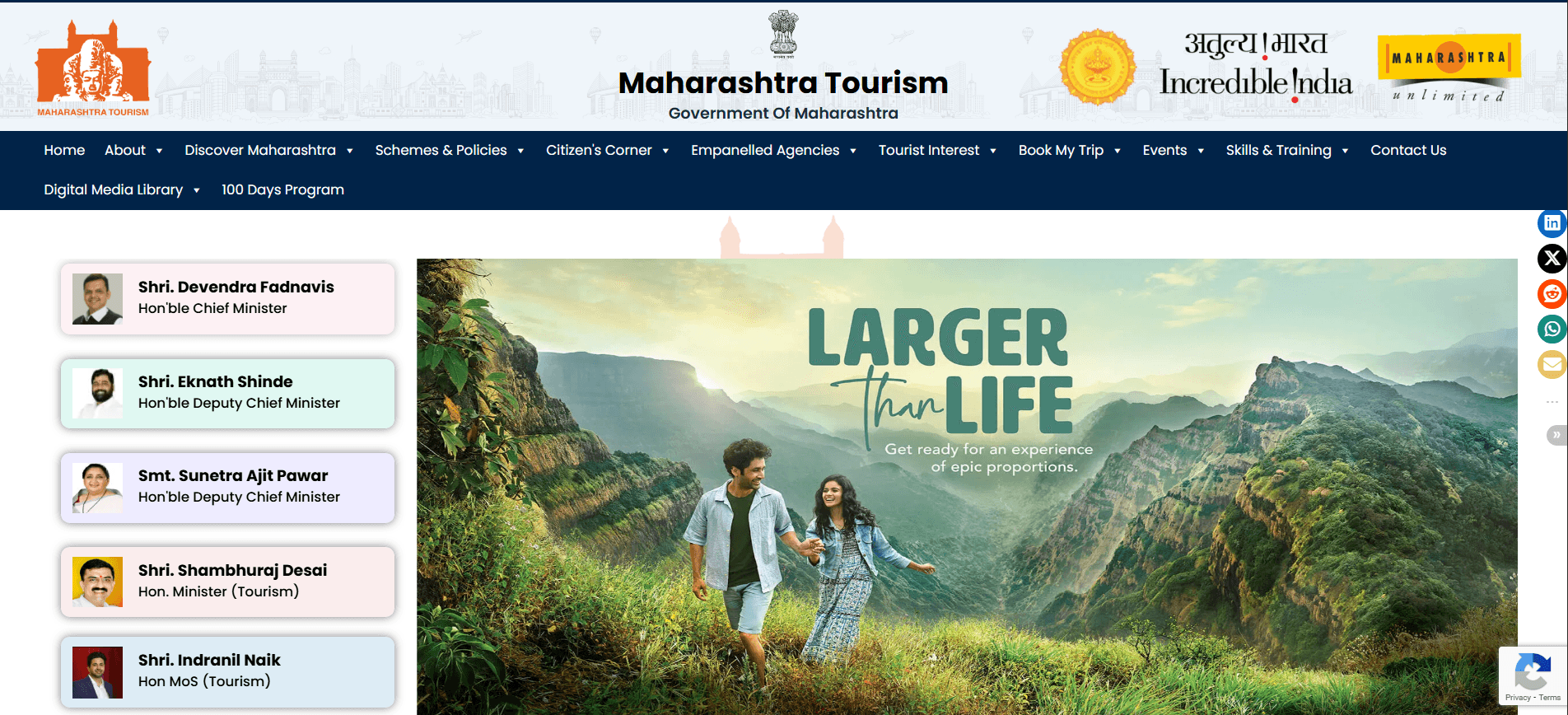
Maharashtra Tourism Subsidy Scheme 2024 The new policy offers various fiscal and nonfiscal incentives to promote investment in diverse tourism projects, including Serviced Apartments, Time-Sharing Resorts, Agro/Rural/Ecotourism Homestays, Bamboo Huts and Tree Houses, Tourist vehicles with Caravan Parking Facilities, MICE or Convention Centres, and Hospitality Parks. Eligibility: The Maharashtra Tourism Subsidy Scheme 2024 is an incentive program designed to increase the profitability of your tourism project. Through State funding, this State subsidy can offset expenses such as capital investment and electricity bills; however, securing funds requires precise documentation and strict adherence to government procedures - something Goezee ensures is handled swiftly to prevent delays in applications and claims processing. In an effort to promote sustainable entrepreneurship, top-of-the-line infrastructure, and a robust State economy, this policy offers various fiscal and nonfiscal incentives designed to boost tourism growth across various segments. This includes serviced apartments and villas, timeshare resorts, rural/eco tourism projects, home stays, bed & breakfast accommodations, vocational rental homes, restaurants, MICE operations such as destination weddings, wellness centers, cruises, and specialized travel agencies. Under this policy, incentives are tailored based on investment size, project category, and the location of the investment project. As such, rigorous eligibility validation, financial modelling, and authority coordination are necessary to receive maximum benefits; incorrect cost breakdowns or misclassifications could reduce subsidies by 30-40% for your tourism project. Key fiscal incentives include interest subventions, tax exemptions and premium discounts on additional Floor Space Index (FSI) for hotels and hospitality parks in priority regions. Furthermore, policy provides a 5% subvention on term loans used to set up or expand tourism projects, significantly reducing interest costs while generating ongoing operational savings throughout each project's lifecycle. Additionally, this policy grants a 100% exemption from stamp duty and registration charges for land purchase, lease, or mortgage deeds executed for approved tourism units, providing substantial upfront cost reduction while improving IRR/DSCR calculations for their project. Nonfiscal incentives include support for events, marketing & PR activities, organic waste conversion systems and sewage treatment plants. In addition, this policy facilitates the construction of eco-friendly facilities and the creation of a green fund to promote sustainable development. This policy's emphasis on supporting entrepreneurship and strengthening village economies makes it an excellent option for small investors. Furthermore, its focus on organic agri-tourism and rural tourism aligns perfectly with the State's overall goal of increasing farmers' income while decreasing rural-to-urban migration, making this policy essential reading for all aspiring entrepreneurs in the agriculture and tourism industries. Nonfiscal Incentives: Tourism projects and investments can benefit from various nonfiscal incentives to encourage investment in the sector, including capital subsidies and tax exemptions, free electricity and water connections and support for infrastructure development. While these nonfiscal incentives can significantly boost the profitability and viability of projects, obtaining them requires careful planning and compliance with specific government procedures - but Goezee can assist in this process, assuring all documentation is accurate and complete throughout. The policy also grants developers an increased Floor Space Index (FSI) at discounted premium rates, enabling them to exceed the 2x plot area base limit. This significantly lowers project costs while expanding potential market share. In addition, a 100% exemption from stamp duty and registration charges on land purchases for tourism projects significantly reduces upfront capital requirements and speeds project completion. Other incentives available to tourism projects include SGST reimbursement and interest subventions on term loans. Both benefits help improve operational cash flow once a project's commercial operations begin. Their claims require meticulous eligibility validation, financial modelling, bank coordination and periodic submissions - which Goezee can ensure are error-free submissions to avoid delays in gaining these benefits. To enhance State competitiveness, the Policy provides various environmental and energy subsidies for tourism projects. These incentives aim to reduce the environmental footprint while improving energy efficiency and sustainability, such as rainwater harvesting, restoration of water bodies, mechanized ecosystem-based sewage management systems, and similar initiatives that reduce energy and water consumption while simultaneously decreasing emissions from projects. Maharashtra's tourism industry offers investors and entrepreneurs an exciting opportunity, as the State is home to one of the world's premier travel destinations. The new tourism policy is expected to stimulate investment and accelerate Maharashtra's economy while further cementing it as a global tourist destination. Its array of benefits - ranging from encouraging investments to aiding job creation - makes the policy an attractive proposition for investors. Small and medium enterprises (SMEs) are particularly well positioned to take advantage of this scheme's nonfiscal incentives to become more profitable and sustainable over time. The scheme will likely attract global companies, offering numerous tax and other advantages that will drive further expansion of the state's tourism industry. Tourism plays a critical role in India's economic development. State tourism policies and initiatives play a pivotal role in this growth by creating an environment that attracts foreign investment while simultaneously encouraging private-sector involvement in this industry. The Maharashtra Tourism Subsidy Scheme 2024 is an example of how the Maharashtra state government is capitalizing on its economic potential to achieve its vision of making Maharashtra a top-tier global tourist destination, creating jobs, stimulating economic development, and raising revenues across the state.
India's Gems and Jewellery - A Global Export Powerhouse
India's Gems and Jewellery - A Global Export Powerhouse India's gems and jewellery sector is an export powerhouse, accounting for 10-12% of total merchandise exports annually. Yet its growth remains susceptible to economic or policy shocks in key markets, such as the US. As such, Indian jewellery designers and manufacturers can capitalise on the UAE's strong appetite for high-end retail products by participating in IJEX. 1. Gemstones: Gemstones for Hindus carry more meaning than just jewellery: they carry spiritual and astrological significance that goes far beyond mere decoration. Each gem represents wisdom, prophecy, and power - with mythic origins, virtues, and appropriate use being documented by early Sanskrit writings known as the Ratnashastras (literally "treatise on jewels"). India spread its philosophical beliefs to new audiences as trade and cultural exchanges with the West increased. Under Mughal emperors, Indian jewellers' intricate Kundan and Meenakari work captivated European royalty, becoming highly sought-after styles and shaping European jewellery trends. One of Shah Jahan's treasuries contained over half a million unmounted emeralds! India still values these beautiful green stones as a sign of prosperity and good luck. There has also been an upsurge in demand for India's exquisite jewellery in luxury markets worldwide, evidenced by India becoming the second-largest diamond polisher and gem cutter, and by its prominent presence on global e-commerce platforms and among high society jewellers. Additionally, India's emphasis on ethical sourcing and hallmarking has increased global trust in its products. 2. Metals: The Indian metal manufacturing industry is a major source of revenue. Thanks to high-quality craftsmanship and its focus on sustainable design, its global reach is immense. Additionally, this sector's rapid adaptation to changing consumer demand patterns and increased government regulations helps it remain cost-competitive in international markets. While polished diamond exports have experienced the brunt of recent value correction, India's overall jewellery market continues to show signs of stabilisation due to policy engagement and diverse trade routes. Furthermore, select segments, such as silver jewellery and gold earrings, have even experienced modest traction in the US market. India's metal manufacturing companies remain confident of maintaining steady exports despite ongoing conflicts in the Middle East, with growth of 4.5% seen in November compared with October's lackluster showing, which was affected by delayed shipments during Diwali festivities. Indian manufacturers find Dubai's rapidly developing retail sector an especially alluring opportunity, with young consumers gravitating toward community-driven brands and designs combining traditional and modern elements. IJEX provides Indian manufacturers with an effective platform to tap into this thriving retail landscape; GJEPC support includes networking events and marketing assistance that ensure their brands gain maximum exposure in Dubai. 3. Jewellery: India is home to nine out of 10 rough diamonds processed worldwide, and India's diamond cutting and polishing facility is at the forefront of cutting and polishing services. Additionally, jewellery manufacturers in the country specialize in reshaping gems to meet changing consumer demand. Jewellers provide an example for other traditional industries navigating an unpredictable global future by capitalizing on design innovation and developing strong brands that resonate with global consumers, and by adapting quickly to shifting market conditions. As India's jewellery sector embraces technology, new opportunities have arisen in the global marketplace for its artisans and craftsmen. E-commerce platforms enable customers to purchase customized products to suit their own styles, while social media channels enable jewellery makers to interact directly with customers. This combination, combined with India's evolving logistical capabilities for exporting gems and jewellery, is creating new markets and spurring growth. Indian jewellery producers can leverage events like IJEX in Dubai as an international platform to showcase their collections and gain an edge in highly competitive markets such as Australia and the Middle East. Furthermore, this platform provides Indian jewelers with an invaluable opportunity to network with retailers in these regions and build long-term partnerships. This approach has proven invaluable during times of global economic slowdown, particularly within US markets. 4. Accessories: India's gems and jewellery sector contributes 7% to GDP and employs 5 million people. At the same time, exports total US$ 10 billion each year, driven by strong market demand and government policies encouraging innovation, sustainability, and hallmarking. The Indian jewellery market has experienced impressive growth, driven by fashion accessories, online purchases, and shifting tastes among younger consumers. E-commerce allows brands to reach an international customer base while providing styles tailored to discerning shoppers. India's creative goods exports grew by more than 7% year to date in the first seven months of FY26, with the UAE and the US emerging as the leading destinations. Fashion accessories and jewellery were the leading categories, while lab-grown diamonds emerged as an attractive ethical alternative among young buyers. IJEX Dubai provides Indian G&J manufacturers an ideal opportunity to connect with regional distributors, retail chains, and influential buyers, increase brand visibility, strengthen business ties, and utilise one of the fastest-growing retail environments globally. Additionally, participants can take advantage of networking events organized alongside this event, as well as marketing support, to leverage IJEX's presence in one of these major retail environments.
AIF Category I Vs AIF Category II - Comparative Analysis
AIF Category I Vs AIF Category II - Comparative Analysis Investing in alternative investment funds can be an attractive prospect, but it carries higher risks and long lock-in periods. They may also involve complex market strategies that may prove hazardous in their execution. AIFs provide investors with access to opportunities normally available only to institutions, as well as greater diversification through exposure to specialized markets and credit risks. Taxation: The tax structure of AIFs is a key consideration before making an investment decision. Each category offers its own unique tax structure, and it is important to understand them before committing. For instance, AIF Category I offers pass-through income distribution directly to investors - an advantage that may reduce taxes paid, but such an arrangement also carries certain risks. AIF Category I typically invests in early-stage or growth-stage companies. While such investments can yield attractive returns, they also carry higher risks than other funds; accordingly, these are best suited to high-net-worth individuals and institutional investors with a longer investment horizon and patience. AIF Category II invests in unlisted securities and is typically closed-ended, with lock-in periods typically lasting three to ten years. Leverage usage is prohibited except for short-term financing needs. As such, AIF Category II funds offer NRIs and foreign investors an appealing investment option in India. However, investors should keep in mind that these funds are not tax-free; they must report their pass-through income on their ITRs to avoid a 10% withholding tax penalty. Additionally, each distribution must be made with taxes deducted at the time of distribution from each Fund. Liquidity: Category II AIFs are closed-ended funds with a defined investment horizon and limited liquidity, typically investing across various financial instruments but using leverage only for operational needs. They must abide by specific investment restrictions and risk management procedures set out by SEBI. These restrictions can include limits on how much capital is invested in a single asset class or industry, the maximum exposure to illiquid assets, and geographic investment restrictions - all designed to ensure Category II AIFs don't pose too great a risk to investors' overall portfolios. Before investing in Category II AIFs, investors should carefully review the fund's structure, strategy, and fees to ensure they are comfortable with the investment. They should be comfortable with long-term lock-in periods and the absence of liquidity, which may reduce post-tax returns. Finally, it's wise to check whether it offers pass-through taxation, as this can significantly alter returns. Category II AIFs typically specialize in alternative investments such as special situations, distressed debt, structured credit opportunities, or real estate plans that require complex strategies or advisor guidance to implement successfully. They may take on high levels of risk that appeal to development-focused and startup investors, as well as to high-net-worth individuals (HNIs). Furthermore, Category II AIFs also provide diversifying return opportunities through arbitrage or market-neutral strategies that exploit pricing imbalances across markets or specific industries to generate income for investors. Diversification: Category II AIFs offer investors unique benefits that combine growth opportunities with disciplined risk-taking and professional oversight, leading to steadily increasing commitments to this category. They're particularly beneficial to developmental investors seeking access to private markets or structured deals, as well as to those looking to diversify across asset classes to reduce market volatility and correlation. This makes this category of AIF an excellent way to meet developmental investors' needs, whether through private markets or structured deals, as well as to access private markets through structured deals. Investment in Category II AIFs requires an in-depth understanding of their PPM, which details their investment objectives, ticket sizes, sector allocations, compliance with SEBI concentration limits, and any future capital allocations. A well-written PPM reduces confusion about where your money will go by providing a roadmap for its allocation. The PPM also details an investment strategy, a fee structure, a distribution waterfall, and key person provisions. While these details may seem innocuous at first glance, they hold immense legal importance - for instance, disclosing whether there are conflicts of interest and limiting liability only in cases of fraud or gross negligence are both obligations that should be disclosed and met in detail in the PPM. Investors should carefully consider the taxation structure of AIFs when making investment decisions. Category II AIFs have pass-through status, meaning their income passes directly to investors without being taxed at the fund level; however, a 10% TDS for resident investors and full tax for NRIs is deducted automatically by these funds. Furthermore, performance fees may substantially reduce net returns. Returns: Category II AIFs aim to strike a balance between risk and return by investing in private equity, debt, or other instruments. They have a defined investment tenure of five years. Unlisted investments and leverage can be used to achieve maximum returns while adhering to reporting guidelines and risk limits, making these funds suitable for high-net-worth individuals or institutional investors with a high risk tolerance and a long investment horizon. India Mutual Funds offer access to emerging sectors like SMEs and infrastructure in India. Their pass-through taxation model means income is taxed at the investor level rather than post-tax returns being significantly reduced, which is not suitable for high-income investors. These investments require significant patience and a risk appetite. These funds typically target startups, SMEs, and social ventures with high growth potential - this investment strategy may yield substantial capital gains while carrying significant business and market risks. Private equity funds invest in unlisted companies and reap profits through various exit strategies, such as initial public offerings (IPOs) or buybacks, with high returns possible but often at high risk. Debt funds offer more stable investment options by investing in debt securities issued by unlisted companies; they may be closed- or open-ended and help diversify portfolios.
PMSKY - Setting Up Multiproduct Food Irradiation Units
PMSKY - Setting Up Multiproduct Food Irradiation Units IMPACT OF PMSKY: Under the PMKSY, multiproduct food irradiation units have been set up under the component of Integrated Cold Chain and Value Addition Infrastructure (Cold Chain Scheme). The Government has recently announced expanding the scope of the Cold Chain scheme from Tomato, Onion, and Potato to 22 perishables, including fruits such as mango and apple, and vegetables such as carrot, cauliflower, and beans. This is a major boost to efforts to double farmers' incomes, create employment opportunities, and reduce food waste in the country. The irradiation units are also expected to boost the country's overall processing capacity and improve food safety and quality standards. In addition, a State Level Steering Committee (SLSC) has been formed to coordinate and monitor the implementation of the PMKSY at the state level, facilitate inter-ministerial coordination and resource allocation, and address any administrative issues. SETTING UP OF MULTIPRODUCT FOOD IRRADIATION UNITS: Using irradiation technology, different types of food products can be treated simultaneously. This enables processing fruits, vegetables, grains, meats, and many other foods without setting up separate processing units for each type. This is a powerful tool that allows companies to reduce post-harvest losses, improve quality and safety standards, increase export potential, and strengthen consumer confidence in the food chain. The Ministry of Food Processing Industries (MoFPI) has invited expressions of interest (EoI) for setting up 50 multiproduct food irradiation plants. These units are expected to create a total preservation capacity of 20-30 lakh metric tonnes per annum, depending on the type of food irradiated. These plants will play a significant role in reducing post-harvest losses and minimizing wastage of perishable agricultural produce by extending their shelf life. Irradiation is a safe, non-toxic method for destroying microorganisms in food and beverage products, thereby making them safer for consumers. The process is approved by the US Food and Drug Administration (FDA) and used in many countries around the world. Applicants should be individuals or organizations, including FPOs, FPCs, SHGs, NGOs, PSUs, firms, and companies, interested in establishing standalone or integrated food irradiation units. Applicants must have a minimum of 1 acre of land for a standalone unit and 3.5 acres of land for an integrated food irradiation unit. The MoFPI will provide financial assistance in the form of grants-in-aid to eligible projects. The grant will be based on the scope of work, location, eligibility criteria, and the proposal's priority level. The maximum grant amount will be Rs 10 crore, which covers the cost of plant & machinery (P&M) and technical civil works. The ministry will select the best proposals based on their technical and economic feasibility, project impact, and adherence to guidelines. IMPACT OF MULTIPRODUCT FOOD IRRADIATION UNITS: Irradiation is the exposure of food to controlled levels of ionising radiation that kill pathogens and insects, extend shelf life, and enable compliance with export quarantine standards. It is a safe and effective food preservation method that is similar to pasteurising milk and canning fruits and vegetables. The technology is widely used in countries with high food safety standards, particularly in the US and Canada. Food processors use gamma-ray, X-ray, and electron-beam irradiation to process foods for both domestic and export markets. The food irradiation market is growing globally due to the increasing stringency of food safety regulations and the adoption of technological advancements. In addition, the need to meet stringent food safety requirements for exports is a significant driver of this growth. Gamma irradiation has the largest share of this market, owing to its efficiency in treating bulk and dense food products and its long-established use in many countries. Other types of irradiation are also becoming increasingly popular, particularly in developing countries such as India and China. X-ray and electron beam irradiation can be used to treat smaller volumes of produce and are more affordable than other forms of food irradiation. The irradiation market is also expanding as consumers are seeking more information about the safety of their food products and are willing to pay for safer products. The Ministry of Food Processing Industries (MOFPI) has invited Expressions of Interest (EoIs) for setting up 50 multiproduct food irradiation units across the country, as part of the Integrated Cold Chain and Value Addition Infrastructure scheme under the Pradhan Mantri Kisan Sampada Yojana. The ministry will provide a grant-in-aid of Rs 10 crore per project for the cost of plant & machinery and technical civil works. This is in line with the budget announcement, and the scheme will help to ensure that more hygienic and nutritious fruits, vegetables, cereals, and spices reach more households.
Chartered Accountant Services in Jaipur: Complete Guide for Businesses, Startups, and MSMEs
Chartered Accountant Services in Jaipur: Complete Guide for Businesses, Startups, and MSMEs Jaipur, being one of the fastest-growing business hubs in Rajasthan, has witnessed significant growth in startups, MSMEs, exporters, manufacturers, and service providers. With increasing regulatory compliance, financial planning requirements, and access to government funding schemes, the role of a Chartered Accountant (CA) has become more crucial than ever. Chartered Accountant services in Jaipur not only include traditional services like taxation and audit but also extend to specialized areas such as government subsidy consulting, export advisory, and funding assistance. This blog explains the complete range of professional services provided by Chartered Accountants in Jaipur and how businesses can benefit from their expertise. 1. Income Tax and Tax Planning Services One of the primary services provided by Chartered Accountants in Jaipur is income tax compliance and tax planning. This includes preparation and filing of income tax returns for individuals, proprietorship firms, partnership firms, LLPs, and companies. Chartered Accountants help businesses minimise tax liability legally through proper tax planning, ensuring compliance with the Income Tax Act. They also assist in handling income tax notices, scrutiny assessments, appeals, and refunds. For growing businesses, proper tax planning ensures improved cash flow and better financial management. 2. GST Registration, Filing, and Compliance GST compliance is mandatory for most businesses. Chartered Accountants in Jaipur provide complete GST services, including: • GST registration • GST return filing (GSTR-1, GSTR-3B, GSTR-9, etc.) • GST audit and reconciliation • GST advisory and notice handling • GST refund processing GST compliance ensures smooth business operations and avoids penalties and legal complications. 3. Audit and Assurance Services Audit services are essential for maintaining financial transparency and compliance with statutory requirements. Chartered Accountants provide various audit services such as: • Statutory Audit • Tax Audit under the Income Tax Act • Internal Audit • GST Audit • Bank Audit • Project Audit Audits enhance credibility, especially when businesses seek loans, investments, or government subsidies. 4. Government Subsidy Consulting Services One of the most valuable services provided by Chartered Accountants in Jaipur is government subsidy consulting. The Government of India and the Rajasthan Government offer multiple subsidy schemes to support MSMEs, startups, exporters, and manufacturers. Chartered Accountants assist businesses in identifying eligible subsidy schemes and completing the application process. These schemes include: • MSME Subsidy Schemes • Rajasthan Investment Promotion Scheme (RIPS) • Agriculture Infrastructure Fund (AIF) • PMEGP Subsidy • Food Processing Subsidy • Technology Upgradation Subsidy • Capital Subsidy Schemes Chartered Accountants prepare Detailed Project Reports (DPR), financial projections, and handle subsidy claim documentation and compliance. This helps businesses reduce capital investment costs and improve profitability. 5. Government Loan and Funding Assistance Access to funding is critical for business expansion. Chartered Accountants in Jaipur assist businesses in obtaining government-supported and bank-based funding, such as: • MSME loans • CGTMSE collateral-free loans • Startup India funding • Mudra Loans • Term Loans and Working Capital Loans • Project Finance Chartered Accountants prepare financial statements, project reports, CMA data, and coordinate with banks to improve loan approval chances. Professional assistance increases approval probability and ensures faster loan processing. 6. Export Advisory and Compliance Services Jaipur is a major export hub for handicrafts, textiles, gems, and engineering products. Chartered Accountants provide complete export consulting services, including: • Import Export Code (IEC) registration • Export documentation compliance • GST refund and export incentives • Duty drawback advisory • Export subsidy assistance • FEMA compliance Export compliance ensures the smooth operation of international business and helps businesses maximise their export benefits. 7. Company Registration and Business Setup Services Chartered Accountants assist entrepreneurs in setting up their businesses legally and efficiently. These services include: • Private Limited Company registration • LLP registration • Startup registration • MSME registration (Udyam Registration) • Partnership firm registration Selecting the proper business structure helps optimise tax benefits and ensure compliance. 8. Financial Planning and Business Advisory Chartered Accountants provide strategic financial advisory services such as: • Business financial planning • Profitability analysis • Cost optimization • Investment planning • Cash flow management These services help businesses grow sustainably and improve financial efficiency. Why Choose Chartered Accountant Services in Jaipur? Hiring a Chartered Accountant offers several advantages: • Expert compliance with tax and regulatory laws • Access to government subsidies and funding schemes • Professional financial planning • Improved chances of loan approval • Export compliance support • Reduced legal and financial risks Chartered Accountants act as financial partners in business growth, not just compliance professionals. Conclusion Chartered Accountant services in Jaipur go far beyond basic tax filing and accounting. They provide comprehensive support including tax compliance, audit, GST services, government subsidy consulting, export advisory, and funding assistance. Whether you are a startup, MSME, exporter, or established business, professional Chartered Accountant services can help you optimise financial performance, access government benefits, and achieve long-term growth. Choosing the right Chartered Accountant ensures regulatory compliance, financial stability, and strategic business expansion. Contact us today at +91-9352296200 or email capiyushmittal90@gmail.com to discuss how our Chartered Accountant services in Jaipur can help your business achieve compliance and sustainable growth. Let us qualify your needs and provide tailored solutions for your tax planning, audit, GST, funding, and advisory requirements.
SRI Fund - Empowering MSMEs for Sustainable Growth
SRI Fund - Empowering MSMEs for Sustainable Growth Many micro and small enterprises (MSMEs) struggle to gain access to sufficient capital to expand. This fund provides equity rather than loans to help businesses focus on future expansion. NSIC Venture Capital Fund Limited 0 SRI Fund, an Alternative Investment Fund registered with SEBI, created this fund using its "Fund-of-Funds" investment strategy: its Mother Fund invests in other funds, known as Daughter Funds, which then invest directly in MSMEs. Self-Reliant India (SRI) Fund: The Self-Reliant India Fund seeks to assist micro and small enterprises (MSMEs) by providing access to equity capital that will enable their growth faster and increase their contribution to the economy through job creation and export growth. MSMEs often go overlooked by private investors due to a lack of high returns or their inability to meet stringent listing requirements on stock exchanges. Yet they play a vital role in our economy and employ millions of people nationwide, which is why the government created the SRI Fund to inject growth capital into MSMEs so they can expand and compete on both a national and international scale. The SRI Fund is a public-private partnership, funded by the government of India, with a distinct "fund of funds" structure that channels private equity and venture capital investments to MSMEs. Government contributions totalling Rs 10,000 crore will go toward equity infusions into select MSMEs, while Rs 40,000 crore from private equity funds will leverage private-sector expertise and investments. The structure of this fund aims to assist MSMEs with clear growth plans by speeding up their expansion. Furthermore, the fund focuses on enterprises with the potential to go beyond MSME status and become national or international champions; it will also support those that make India self-reliant by producing necessary technologies, goods, or services. SRI operates through a mother-daughter structure, with NSIC Venture Capital Fund Limited acting as its mother fund and allocating capital to 60 daughter funds that directly invest in MSMEs using equity or quasi-equity instruments. The mother fund contributes funding in proportion to every rupee raised by the daughter funds, at an exchange ratio of 4:1, providing INR 4 for every INR raised from investors by the daughter funds. Daughter funds then carefully assess each MSME's potential and growth plan before investing. This ensures that funds reach businesses most in need. The scheme is projected to benefit over 6 million MSMEs nationwide, helping them compete at both the national and international levels, thereby creating more jobs, boosting exports, and driving greater economic growth. Furthermore, technological upgrades and R&D in the MSME sector will enhance competitiveness and promote the use of local raw materials, thereby strengthening MSMEs' manufacturing capabilities. MSMEs: MSMEs play an essential role in our economy, providing jobs and essential services across India from small rural communities to major metropolitan centres. They contribute significantly to GDP and exports but often struggle to access enough funds to expand and grow their businesses, increasing revenue streams by hiring more staff or developing new products while decreasing reliance on loans. The SRI Fund is here to assist them with growth equity capital! Unlike traditional loans, this funding model provides capital in exchange for equity ownership in MSMEs' businesses, helping them scale without straining cash flow or entering new markets. The SRI Fund is managed by NSIC Venture Capital Fund Limited, a wholly owned subsidiary of National Small Industries Corporation (NSIC), a Government mini-Ratna corporation operating within the Ministry of Micro, Small and Medium Enterprises. SRI Fund will support only MSMEs that meet certain criteria: they must be registered as sole proprietorships or partnerships, have at least several years of operating history and positive financial growth, provide detailed plans and forecasts, and be committed to social and economic impact as part of their mission. The SRI Fund will assist MSMEs in accessing long-term equity financing through funding from NSIC Venture Capital Fund Limited, an Alternative Investment Fund registered with SEBI as a Category II AIF. Fund investments will then be distributed among SEBI Category I and Category II AIFs dedicated to MSMEs; ultimately, these AIFs will invest directly in MSMEs, bringing together government assistance and private sector expertise to maximize impact and ensure funds reach the businesses that need them. Equity: India's MSMEs play an integral part in its economy. They play an instrumental role in driving the $5 trillion USD in gross domestic product (GDP) and are an essential source of employment and innovation. The Ministry of MSME is working tirelessly towards supporting them for sustained growth. The Ministry has introduced the 'Self-Reliant India (SRI) Fund' as part of its initiative to fund MSMEs by investing in SEBI-registered Category I and Category II Alternative Investment Funds ("Daughter Funds") that have been impanelled with NSIC Venture Capital Fund Limited ("NVCFL"). NVCFL is a wholly owned subsidiary of National Small Industries Corporation Limited - a mini-ratna company under MoMSME. Shri B.B Swain, Secretary for MSME, presided over the launch of BizAmp, the inaugural outreach programme organized by NSIC and its daughter funds under the SRI Fund, at Dimapur, Nagaland, on 4 May 2023. This event focused on capital infusion through NVCFL's SRI Fund while simultaneously assisting MSMEs in the North East Region.
Understanding the Working Capital Cycle
Understanding the Working Capital Cycle Your business should be a cash flow positive company with a short Working Capital Cycle so it can convert operating current assets quickly into cash. A longer Working Capital Cycle indicates delays between cash inflows and outflows and may indicate operational inefficiency. An ideal balance should be struck between incoming and outgoing payments to minimize net working capital and maximize free cash flow. Let's examine what constitutes the Working Capital Cycle and how it can be calculated. Inventory Days: As a business builds more inventory, cash becomes less readily available to cover accounts payable and outstanding invoices. By moving this inventory faster, companies have more options for paying suppliers, investing in growth, or covering operational expenses with that cash. In general, businesses benefit most when their working capital cycle is as short as possible. Extended cycles can leave companies with inadequate cash flows or negative cash flow, tying up funds for an extended period without producing returns. As a result, many seek financing, such as invoice factoring or lines of credit, to shorten operational cycles and free up funds more quickly. Establishing an optimal working capital cycle requires an in-depth knowledge of both accounting and operations within your business. Calculations will depend on the industry your operation belongs to, with three key figures often serving as guides: inventory days, receivable days, and payable days. Imagine you own a furniture manufacturer called Maker Ltd that wholesales its furniture to retailers. After receiving raw materials from Suppliers Ltd and six weeks for customers to pay (Receivable Days), Maker Ltd's Working Capital Cycle begins. If your Working Capital Cycle is too long, negotiating more favorable credit terms with suppliers or increasing cash reserves may help shorten it. Offering discounts or other incentives could also encourage customers to pay promptly. Other solutions that can shorten it include invoice financing and accounts receivable finance solutions. An extended working capital cycle makes your business vulnerable to sudden events that deplete cash reserves, such as late customer payments or an increase in raw material costs. A shorter cycle gives your company greater flexibility to adapt quickly to ever-evolving circumstances and make the most of available opportunities. Receivable Days: At first glance, it would be ideal if every business transaction could happen simultaneously; unfortunately, this is often not feasible. Delays between purchasing assets, selling inventory, and receiving payments from customers can seriously disrupt cash flow, making the working capital cycle an essential element of managing a small business. It balances current assets against liabilities. Positive working capital cycles indicate that a company has more cash coming in than going out, which is typically what most businesses strive for. It's possible, though, for an adverse cycle to emerge if sales do not convert quickly into cash or if it becomes difficult to pay suppliers on time, which can quickly lead to financial strain. If a business takes more than 30 days to turn invoices into cash, its working capital could take a serious hit. While cutting inventory or negotiating better payment terms with suppliers might help save some money, short-term expenses must still be met somehow. One way to enhance the working capital cycle is to reduce the amount of non-cash current assets that hold up cash. This can be accomplished through just-in-time inventory practices and streamlining invoicing processes with software that automates these steps; automating them will decrease warehouse storage days and hasten cash conversion. Working capital cycle measures the rate at which assets turn into cash and can provide valuable insight into operational efficiency. An optimal working capital cycle should be as close to zero as possible to maximize cash flow and strengthen borrowing capacity. Still, by analyzing their businesses, companies can identify bottlenecks in performance improvement plans or compare working capital cycles against industry benchmarks for insight. Payable Days: Establishing sufficient cash on hand is vital to businesses, as it ensures employees are paid, covers operational costs, and replenishes inventory. To measure how quickly a business converts assets and liabilities into cash flow, its working capital cycle should be calculated. To do this, it will require knowledge of inventory movement from the warehouse to customer shelves, as well as how long accounts receivable take to turn into cash after sales are made; then subtract this figure from the days it takes for payables (suppliers). Businesses with positive working capital cycles convert assets to cash faster than their liabilities can consume them. Businesses with negative working capital cycles often hold onto investments for too long, which can strain liquidity even during times of strong sales growth. If your business is having difficulty turning invoices into cash quickly, there are steps you can take to make the process more efficient. Incentivizing quick payments, offering credit card payments, and ordering inventory just-in-time may all help shorten its working capital cycle and decrease working capital needs. Your company should also monitor its Days Payable Outstanding (DPO). DPO measures how long it takes your company to pay its vendors after purchasing raw materials or finished goods from them; ideally, DPO should be as short as possible without straining supplier relationships or missing out on growth opportunities. Keep a close watch on your working capital cycle to help manage risk and plan for the future. A longer working capital cycle could leave you unable to afford inventory purchases, pay staff on time, or seize new opportunities as they arise; conversely, a shorter cycle could leave you without enough capital to pay necessary expenses or invest in future growth. Optimizing your working capital cycle can yield real, measurable benefits to your business, according to Sweatt. For instance, by reducing the time cash is trapped in inventory or unpaid invoices, more funds may become available for investment elsewhere to earn interest. Speak with a Regions Bank banking professional today about optimizing working capital cycles and how best to get started! WCC: Working capital cycles (or cash conversion cycles), as they're sometimes known, measure how long it takes a company to convert net current assets to actual cash. This includes selling inventory, collecting customer payments, and paying suppliers. When cash conversion cycles are shorter than desired, more funds become available for operations and short-term obligations. An extended working capital cycle ties up more cash in inventory or unpaid invoices, potentially straining liquidity even when sales are robust and there are no short-term financial obligations. Working capital management involves strategically orchestrating when and how quickly a company converts current assets to cash. Managing this cadence of cash flow is the lifeblood of your business, so how you oversee it will have a decisive effect on whether or not your venture succeeds. Understanding the key drivers of your working capital cycle, accurately measuring it, and optimizing it can help your company remain more resilient in times of economic uncertainty. With healthy working capital, a firmer financial foundation makes it easier to secure financing with shorter repayment terms, reducing short-term loan needs. Calculating your working capital cycle requires adding the number of days it takes you to sell inventory, receive payment from customers, and pay suppliers. This formula may differ depending on the type of business. For example, let's assume a fictitious manufacturing company, Maker Ltd, takes 60 days to pay its supplier (Inventory Days), 6 weeks to ship products (Receivable Days), and 6 weeks before customers start paying (Payable Days). Reducing the number of days it takes your business to convert its inventory to cash or collect invoices will dramatically shorten its working capital cycle, giving more room for investment, reinvestment profits, and responding quickly if market conditions shift.
Angel Investors: The First Money In for Startups
Angel Investors: The First Money In for Startups Most startups require external capital beyond what can be raised from family and friends; when this is the case, angel investors step in. Investors are high-net-worth individuals who invest their own funds in startup companies, while providing mentorship and advice to these new businesses. Locate potential angel investors by creating lists of those with expertise and connections in your field. Schedule meetings without immediately using conversations to ask for money. Investing in Startups: Angel investors invest their personal wealth in startups and early-stage companies, typically working alone and not reporting to a venture capitalist firm. Angels may possess industry-specific knowledge and serve as valuable strategic advisers. Business angels carefully evaluate startups by considering factors such as the strength of their founding team and track record, growth logic and market entry barriers, trends that may disrupt industries, and a company's efficient scaling model that can grow swiftly and efficiently. Entrepreneurs meeting with angel investors often do not use this meeting to solicit money; rather, they share their executive summaries and business plans while seeking advice. Angel investors tend to focus more on understanding the business behind an idea or technology than on the idea or technology itself; therefore, they will typically waive non-disclosure agreements when first assessing an investment company. But once a company has completed final due diligence, it may need to sign an NDA. Angel investors will use this stage of due diligence to examine intellectual property issues. If a business owns patentable technology, it may require the business to sign an NDA; otherwise, it will examine legal and financial documents to establish share allocation and pricing strategies. Investing in Technology: Before your business becomes profitable, it will require outside capital in the form of equity (share of your company) or debt financing to keep operations and growth underway. Early funding typically comes from family and friends; once your capital needs exceed their capacity, you may need to seek investors through angel investment networks or crowdfunding platforms such as Indiegogo or Kickstarter. Angel investors are experienced businesspeople who invest their own money in early-stage startups in exchange for equity. Angels provide valuable advice, mentorship and industry connections that may aid your startup as well as introduce you to other entrepreneurs or potential customers who could assist its expansion. Angel investors differ from venture capitalists in that they invest their own personal funds directly, typically writing smaller checks of $25,000 or less per investment. They tend to make earlier-stage investments than VCs - often investing solely in an idea or prototype. Becoming an angel requires an in-depth screening process that involves reviewing executive summaries or business plans without signing non-disclosure agreements. If your opportunity reaches the final due diligence stage, they may request full business plans or meetings with you. At that point, they may prepare a term sheet that serves as guidance to lawyers when creating investment agreements and outlines the relationship between you and their angels. Investing in Social Impact: When a company's capital needs exceed what friends and family alone can provide, outside investors, such as angel investors, may be necessary. Angels provide this assistance by investing their personal funds in exchange for equity - often as part of an investment round led by venture capitalists (VCs). Investors may also make loans that convert into equity later. Angel groups exist so investors can more efficiently evaluate startups and make investments more quickly. Angel investors may take an active or passive role in managing their investments, depending on their preferences, but most conduct extensive due diligence on startups they believe have growth potential. They seek out startups with unique products and potential scale, passionate teams that demonstrate excellence, and clear paths to profitability or an exit strategy. Angel investors have an increasing desire to invest in businesses with both social impact and profit potential, such as Husk Power in India, which offers pre-paid energy services to poor urban and rural communities for just Rs 15/month - helping improve lives while creating jobs and offering its solar technology expertise as an example of such a venture. Such an investment can expand profitability without detracting from its mission. Investing in Health Care: Angel investors often provide the initial funding for health care startups. Angels are high-net-worth individuals who invest their own money in early-stage companies in exchange for equity or convertible debt and can help bridge the gap from seed funding (provided by founders, family, and friends) to professional financing from venture capital firms. Angel investors often come from within an industry or are former entrepreneurs themselves, making them adept at using their experience to assist newly founded businesses and offer them guidance. Angel investors also often have connections to customers, other funding sources, and business partners that they can leverage as resources when making investments - generally expecting a 15%-25% ownership stake in any given venture they invest in. Before seeking investment from an angel group, companies must first pass pre-screening by the staff or a committee of members. This may take several weeks and helps weed out applications that do not meet the general criteria set by that angel group. Investors can locate angel investors through referrals from trusted contacts, business acceleration and incubation programs, investor conferences or symposia, and online searches for angel groups based on industry, product, or location.
Stand Up India - A Government Initiative to Promote Entrepreneurship
Stand Up India - A Government Initiative to Promote Entrepreneurship Stand Up India Scheme is a government initiative to assist SC/ST and women entrepreneurs in creating greenfield enterprises. It offers loans of up to Rs 10 lakh as part of its financial inclusion efforts. This scheme is available to individual entrepreneurs and corporates that hold at least 51% stake of SC/ST or women-held shares. It requires submitting a project report and receiving assistance from designated help centres. ?10 Lakhs: The Stand Up India Scheme offers loans of up to Rs 10 lakh to entrepreneurs from Scheduled Castes (SC) and Tribes (ST), including women. This initiative was created to encourage entrepreneurship among minority groups, boost new businesses, reduce unemployment in India, improve the lives of its people, and ultimately promote economic development. The government invested in this scheme because it creates jobs while simultaneously reducing unemployment in India. Furthermore, this scheme helps develop skills and provide entrepreneurial training. The government has established a network of support centres which offer guidance and financial assistance to entrepreneurs. Furthermore, the Centres for Entrepreneurship Development organize workshops, seminars, and conferences to educate entrepreneurs on various aspects of business, while trained professionals assist in the startup process. This scheme offers greenfield projects to individual entrepreneurs as well as non-individual enterprises to increase economic inclusion among marginalised communities and encourage entrepreneurship across industries such as manufacturing, services, agriculture-related activities, and trading. To apply, applicants must submit documents such as bank details, proof of identity, and income tax returns. Additionally, the scheme offers a 25% margin money component in addition to any eligible Central or State subsidies. However, note that each borrower must contribute at least 10% of the project costs as a personal contribution. Over the coming years, the government intends to overhaul and broaden coverage for its Stand Up India Scheme. The revised scheme will offer loans of up to Rs 2 crore with faster credit disbursement, supporting more beneficiaries and online entrepreneurship skill-building initiatives. The Stand Up India scheme is an excellent way to start a new business, providing both funding and mentorship to help you develop your ideas into viable entrepreneurial ventures. Furthermore, its ease of application and eligibility requirements ensure maximum convenience when starting a venture. ?1 Lakh: Stand Up India seeks to promote entrepreneurialism among women, Scheduled Caste (SC), and Scheduled Tribe (ST) communities in India. Its primary goal is to provide financial assistance for starting new businesses; unlike many government schemes, Stand Up India does not require collateral, as credit can be granted without it. Additionally, it offers mentorship and guidance services, with up to one Lakh available under this scheme. The Stand Up India scheme provides loans of up to one crore for setting up greenfield projects in the manufacturing, services, and trading sectors. This loan includes both a term loan and a working capital credit component. It is meant to promote entrepreneurship, both rural and urban, by providing access to the funds needed to set up new enterprises. This initiative will enable small and medium-sized enterprises to set up their own businesses, spurring economic development nationwide and reducing unemployment and poverty. Furthermore, this scheme will increase the production of environmentally friendly e-rickshaws while contributing to the Swachh Bharat Abhiyan by reducing pollution and creating skilled employment. In 2024, the government increased loan limits to 1 crore for SC/ST and women entrepreneurs to boost credit flow and expand eligibility. Furthermore, they will unveil an updated version of this scheme in September 2025. Though the scheme has proved popular, it does have some drawbacks. Notably, its growth in loan issuance and disbursement has remained flat, while critics have also highlighted insufficient clarity regarding eligibility criteria and other aspects of its program. For this scheme to be effective, the government should establish clear eligibility criteria, including minimum education and experience requirements, and targeted training programs for SC/ST entrepreneurs, women entrepreneurs, and members of minority ethnic communities. In addition, more tax incentives should be offered for startups. ?7 Lakhs: The Stand Up India Scheme seeks to foster entrepreneurship among women and Scheduled Caste and Scheduled Tribe (SC&ST) communities by offering financial assistance, mentorship, skill training programs, and promotion of business ideas and innovation. It has received an allocation of Rs 10,000 crore by the government - a substantial sum that could change the lives of many entrepreneurs. The amount provided under the Stand Up India Scheme varies depending on the project type and the individual's background, ranging from Rs. 10 lakh to Rs. 1 crore. It is designed for entrepreneurs starting new greenfield businesses, whether manufacturing- or trading-oriented. Stand Up India Scheme goes beyond financial assistance by providing mentorship and business development support - essential components to encouraging entrepreneurialism among marginalised communities. Loan amounts up to 75% of total project cost (term loan plus working capital); however, entrepreneurs must contribute at least 10%. Aspiring entrepreneurs should familiarize themselves with the requirements of the Stand Up India Scheme before applying. Doing so can help prevent delays during loan processing and ensure they fulfill all requirements, giving them enough money to start their own businesses. Additionally, this scheme will assist businesses with accessing other government schemes, giving them a competitive edge and increasing productivity - especially crucial for small-scale and first-generation entrepreneurs. As an example, pedal rickshaw pullers could upgrade to E-rickshaws to increase income threefold! The Stand Up India Scheme is an integral step towards financial empowerment for marginalised groups. With clear eligibility requirements, defined lending terms, and supportive structures aimed at encouraging sustainable entrepreneurship. Prospective entrepreneurs should carefully compare this program with private financing options by checking interest rates on business loans and using an EMI calculator. ?18 Lakhs: No matter the economic climate, the Stand Up India Scheme remains one of the most successful government initiatives to support marginalised people in becoming entrepreneurs. This initiative offers financial support ranging from Rs 10 lakh to Rs 1 crore to individuals belonging to Scheduled Castes (SC), Scheduled Tribes (ST), women, and other underrepresented communities - this funding can then be used either to launch or expand an existing enterprise, while additional handholding services such as training and guidance provide valuable additional assistance - this scheme's ultimate purpose being stimulating economic development through new business ventures while supporting new business ventures while encouraging new ventures while stimulating economic expansion through business initiatives and increasing economic growth through these means. The Stand Up India Scheme consists of three pillars. The first focuses on providing financial support for entrepreneurs; the second on business development assistance; and the third on mentoring and handholding support. These three elements come together to promote entrepreneurship among women and SC/ST groups. To apply for the Stand Up India Scheme, visit its official portal and provide basic personal details. Once submitted, an OTP will be sent directly to your mobile phone so you can verify if your application was accepted and can access loan amounts and benefits available through the Startup India Portal - even use its Business Loan EMI Calculator tool to plan repayments or compare financing options! Stand Up India, managed by the Ministry of Finance, is an ambitious government program. Nirmala Sitharaman currently oversees this scheme designed to encourage entrepreneurialism among marginalised communities with limited resources while providing financial aid. This initiative recognizes the contribution of small businesses to economic development. Stand Up India provides up to 15% margin money to help startups offset initial costs. When combined with other central or state schemes, this helps alleviate the burden on entrepreneurs, allowing them to focus on growing their businesses without financial stressors becoming an impediment to success. Stand Up India Scheme funding applicants can take advantage of several opportunities, including incubation programs, mentorship support, and funding options. There may be restrictions regarding which projects can be funded; therefore, you must understand these restrictions to ensure you apply for appropriate financing options.
Fueling the Future: Inside Maharashtra's 2025 Startup & Innovation Policy
Facilitating innovation and building the entrepreneurial ecosystem in Maharashtra through overall support, funding, and infrastructure.. By CA Piyush Mittal
Karnataka Industrial Policy 2025-2030
Positioning Karnataka as the number one destination for high-technology manufacturing in Asia through equitable and sustainable development BY CA Piyush Mittal
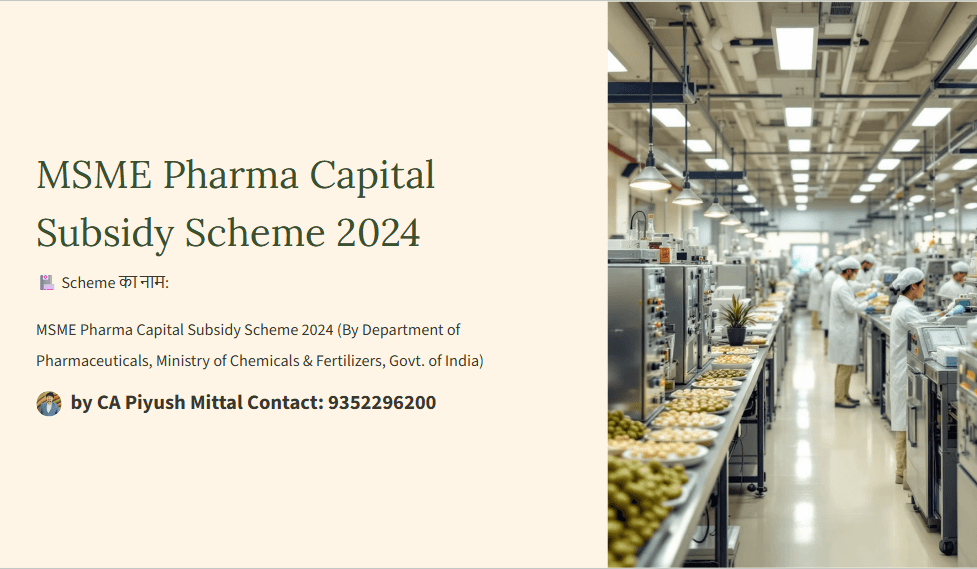
MSME Pharma Capital Subsidy Scheme 2024
🏥 Scheme का नाम: MSME Pharma Capital Subsidy Scheme 2024 (By Department of Pharmaceuticals, Ministry of Chemicals & Fertilizers, Govt. of India) by CA Piyush Mittal Contact: 9352296200

Credit Guarantee Scheme for Exporters (CGSE)
A detailed resource for comprehending the Credit Guarantee Scheme for Exporters, launched by the Government of India, to offer 100% guarantee coverage to Member Lending Institutions for additional liquidity support to exporters. By CA Piyush Mittal +91 9352296200

Maharashtra Package Scheme of Incentives -
A robust framework crafted to boost Maharashtra's manufacturing ecosystem during the 2019–2024 policy period, aiming to transform the state’s industrial landscape through targeted incentives and strategic development initiatives. by CA Piyush Mittal Contact: 9352296200
National Livestock Mission: Comprehensive Operational Guidelines
The National Livestock Mission (NLM) will create job opportunities, entrepreneurship, per animal output, and meat, milk, eggs, and wool production. The mission, which is implemented nationwide is aimed at establishing forward and backward integration between the unorganized and the organized sectors, and sustainable livestock farming practices. BY CA Piyush Mittal +91-9352296200

Drug License in India 2025: Navigating Compliance & Opportunity
A comprehensive guide to understanding the regulatory framework, application process, and strategic advantages of pharmaceutical licensing in the Indian market. By CA Piyush Mittal +91-93522-96200

Advance Authorization Scheme For Import of Goods
a duty exemption scheme by the Directorate General of Foreign Trade (DGFT) in India that allows exporters to import inputs (raw materials, fuel, oil, etc.) duty-free, provided they are used in the production of export products and are physically incorporated into them by CA Piyush Mittal Contact: 9352296200
Due Diligence Report: An Overview
Due diligence is a critical investigative process conducted before major business transactions to ensure informed decision making and effective risk mitigation. This thorough examination has become standard practice in mergers and acquisitions, investments, partnerships, and company acquisitions across industries in today's complex business environment. By CA Piyush Mittal +91-9352296200
Coir Board RCMC: An Exporter's Gateway
The Registration Cum Membership Certificate (RCMC) serves as the essential legal foundation for all coir exports from India, establishing legitimacy in international markets. by CA Piyush Mittal Contact: 9352296200

Comprehensive Individual Verification Report: Building Trust Through Background Checks
A trusted solution for businesses seeking comprehensive identity verification and background checks in today's risk-prone environment. By CA Piyush Mittal +91-9352296200
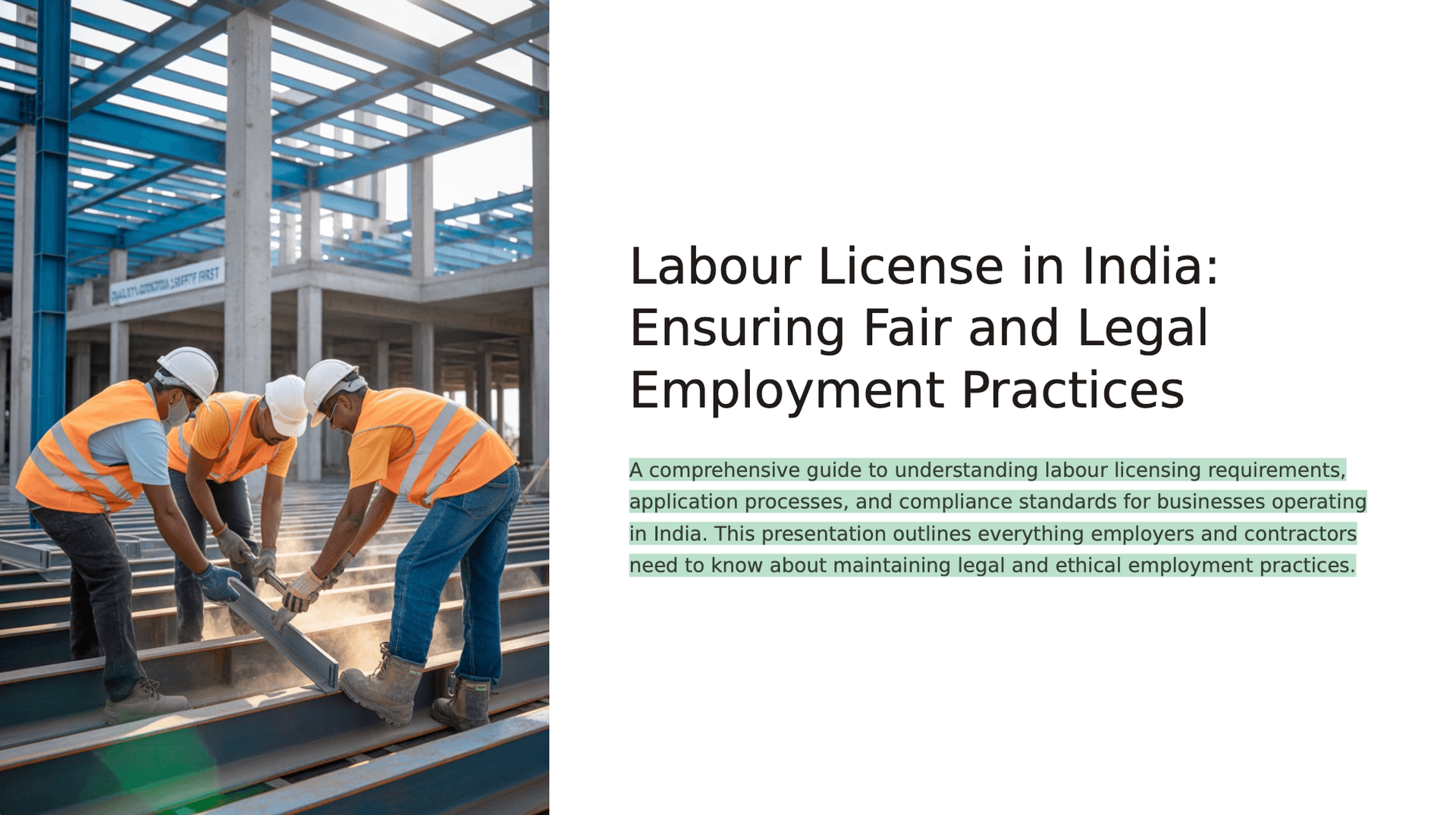
Labour License in India: Ensuring Fair and Legal Employment Practices
A comprehensive guide to understanding labour licensing requirements, application processes, and compliance standards for businesses operating in India. This presentation outlines everything employers and contractors need to know about maintaining legal and ethical employment practices. By CA Piyush Mittal +91-9352296200

Understanding 12A & 80G Registration for NGOs in India
Tax registrations that transform how NGOs operate and fundraise in India. These critical registrations not only provide tax benefits but also enhance credibility and open doors to expanded funding opportunities. By CA Piyush Mittal +91-9352296200
RCMC Tea Board Export License
Registration Cum Membership Certificate is a mandatory certificate for tea exporters from India, issued by the Tea Board of India to ensure compliance with quality standards and regulations, enabling access to government program and benefits. By CA Piyush Mittal +91-9352296200
सोमवार सुबह 9 बजे ग्रोथ मीटिंग - कॉमन वक एलॉटमेंट एजेंडा
टिनांक: 11 अगस्त 2025 प्रस्तुतकता: सीए पीयूष कुमार टिमत्तल इस प्रेजेंटेशन में हम स्टार्टअप ग्रोथ एक्सेलेरेटर एजेंडा और कॉमन टास्क असाइनमेंट पर चर्चा करेंगे, जिससे हमारी टीम अगले 30 दिनों में अपने लक्ष्यों को प्राप्त कर सके।
Introduction to Central Government Subsidies
Central government subsidies are financial assistance programs offered by the national government to support specific industries, businesses, or individuals. These subsidies are designed to promote economic growth, increase access to essential services, and improve overall social welfare. by CA Piyush Mittal Contact: 9352296200

Evolution of India's Food Processing Industry: A Comparative Analysis (2019- 2024)
This comprehensive report analyzes the transformation of India's food processing industry from 2019 to 2024, providing comparative statistics on economic contribution, employment generation, export performance, and investment trends. The document presents critical insights for policy makers on the industry's development trajectory, highlighting opportunities for strategic intervention and growth acceleration in this vital sector of the Indian economy.

BAR Code Registration in India: Unlocking Product Identity & Market Access
A comprehensive guide to understanding, registering, and utilizing GS1 barcodes for your products in the Indian market. From registration steps to benefits, discover everything you need to know about obtaining legitimate barcodes that meet global standards.

One Pager for Company
This one-pager provides a concise overview of the company's key financial and operational details. by CA Piyush Mittal Contact: 9352296200

FINO Payments Bank: Journey Towards a Small Finance Bank License
This presentation explores FINO Payments Bank's transformation from a payments bank to a small finance bank. We'll examine the regulatory framework, Fino's business model, and its future prospects. by CA Piyush Mittal Contact: 9352296200
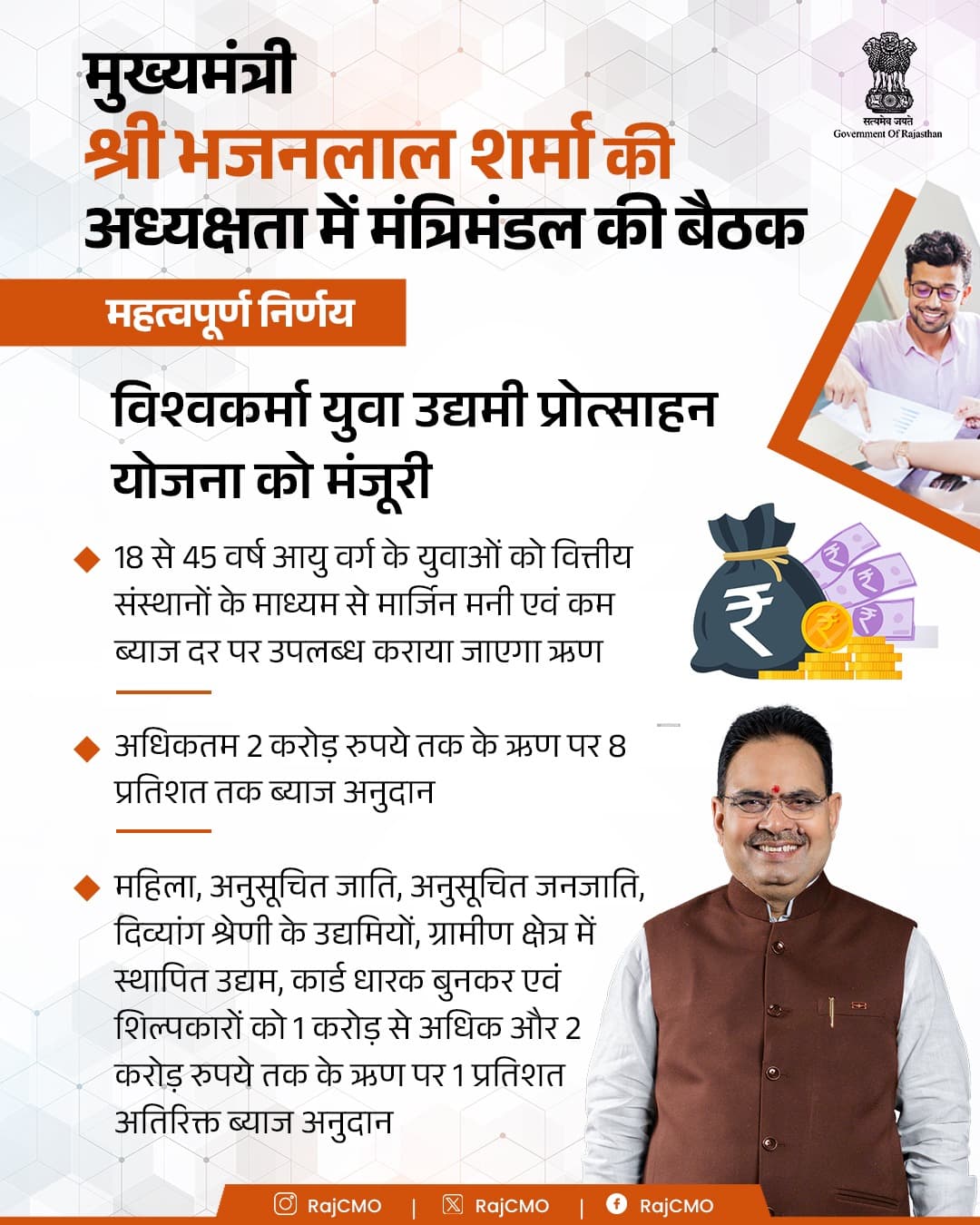
विश्वकर्मा युवा उद्यमी प्रोत्साहन योजना – राजस्थान सरकार की नई पहल
राजस्थान सरकार ने राज्य के युवाओं को आत्मनिर्भर बनाने और उन्हें रोजगार व व्यवसाय के नए अवसर देने के लिए विश्वकर्मा युवा उद्यमी प्रोत्साहन योजना को मंजूरी दी है। इस योजना के अंतर्गत युवाओं को कम ब्याज दर पर बैंक/वित्तीय संस्थानों से लोन मिलेगा, जिससे वे अपना नया व्यापार शुरू कर सकें या पहले से चल रहे बिज़नेस को आगे बढ़ा सकें। योजना की मुख्य बातें • लोन सुविधा: 18 से 45 वर्ष तक के युवाओं को सस्ती ब्याज दर पर लोन मिलेगा। • लोन राशि: अधिकतम ₹2 करोड़ तक का लोन। • ब्याज सब्सिडी: सरकार की ओर से अधिकतम 8% ब्याज सब्सिडी। • विशेष लाभ: महिलाओं, SC/ST, दिव्यांग, ग्रामीण उद्यमियों, बुनकरों और शिल्पकारों को 1% अतिरिक्त ब्याज सब्सिडी (यदि लोन ₹1 करोड़ से ₹2 करोड़ के बीच है)। • मार्जिन मनी: सरकार द्वारा 25% या अधिकतम ₹5 लाख तक की मार्जिन मनी सहायता। कौन उठा सकता है फायदा? • राजस्थान का मूल निवासी होना अनिवार्य। • उम्र 18 से 55 वर्ष के बीच होनी चाहिए। • न्यूनतम स्नातक (Graduation) उत्तीर्ण होना आवश्यक। जरूरी दस्तावेज • निवास प्रमाण पत्र • आधार कार्ड • पैन कार्ड • इनकम सर्टिफिकेट • प्रोजेक्ट रिपोर्ट • पासपोर्ट साइज फोटो • मोबाइल नंबर आवेदन प्रक्रिया • आवेदक जिला उद्योग केंद्र या उद्योग विभाग कार्यालय में जाकर ऑफलाइन आवेदन कर सकता है। • इसके अलावा, ऑनलाइन पोर्टल के माध्यम से भी आवेदन संभव है। • आवेदन के समय व्यापार का विवरण, लागत और आवश्यक दस्तावेज जमा करने होंगे। अक्सर पूछे जाने वाले सवाल (FAQ) प्रश्न: विश्वकर्मा युवा उद्यमी प्रोत्साहन योजना क्या है? उत्तर: यह राजस्थान सरकार की योजना है जिसका उद्देश्य युवाओं को कम ब्याज पर लोन देकर उन्हें व्यवसाय शुरू करने या बढ़ाने में मदद करना है। प्रश्न: इस योजना के तहत कितना लोन मिल सकता है? उत्तर: अधिकतम ₹2 करोड़ तक का लोन लिया जा सकता है। प्रश्न: क्या लोन पर सब्सिडी भी मिलेगी? उत्तर: हां, सरकार अधिकतम 8% ब्याज सब्सिडी देगी। प्रश्न: मार्जिन मनी क्या है और कितना मिलेगा? उत्तर: सरकार द्वारा 25% या अधिकतम ₹5 लाख तक की मार्जिन मनी दी जाएगी। प्रश्न: आवेदन कैसे करें? उत्तर: योजना का आवेदन ऑनलाइन और ऑफलाइन, दोनों माध्यम से किया जा सकता है। Contact for Applicaiton: +91-9352296200 or mail at capiyushmittal90@gmail.com