April 28, 2026
3 views
Startup India Seed Fund Scheme - Empowering Innovation
Startup India Seed Fund Scheme - Empowering Innovation
Seed funding is the initial stage of investing in a business and typically entails high risk with potentially lucrative returns. Startups use seed funding to refine their plans and build prototypes; incubators evaluate startups with innovative ideas before providing support services such as workspace, mentoring, and training to selected startups.
Incubators:
If you want to start and expand a business idea, seed funding could be your ticket to success. This type of financing provides initial capital for startups still in development, with prototypes or proof-of-concept models in testing stages, offering high-risk investments but promising significant returns to entrepreneurs. Starting a startup takes time, so incubators provide additional time for startups to prove their concept and gain market recognition. To apply, submit a business plan or pitch deck outlining your product or company, including financial details such as your bank account number. Applying is free and can be completed online. Once approved by an incubator, you will receive seed funding in stages based on progress and milestones achieved.
The Startup India Seed Fund Scheme (SISFS) is a government-funded program that assists entrepreneurs with turning their ideas into working businesses. The scheme operates through a network of incubators that offer seed money, workspace, and mentorship to promising startups selected through an open selection process, and then release funds in stages to allow them to prototype their ideas as they develop. Furthermore, investors and other entrepreneurs may connect with these newcomers, providing further opportunities for growth and expansion.
SISFS focuses on technology startups that embed innovation into their core products or business models. To support 3,600 entrepreneurs over four years through 300 incubators, including proof-of-concept development, prototype creation, product trials and market entry. Ultimately, this will allow startups to reach a level where they can secure investments from angel investors or venture capitalists, as well as loans from commercial banks.
Seed funding eligibility requires that your startup be an independent legal entity registered in India, be less than 2 years old at the time of application, have an innovative idea and strong growth potential, and have a clear revenue model and team in place. Furthermore, no more than Rs 10 lakh in monetary support was received through other government schemes (prize money from competitions or grand challenges, subsidised rental payments for workspace, founder monthly allowance, access to labs or prototyping facilities, etc.).
Grants:
Seed funding is an integral component of starting up an innovative startup. As the initial investment into any business, this type of funding allows entrepreneurs to test their ideas and determine whether they are likely to turn a profit. Furthermore, seed funding affords entrepreneurs time to develop their business plans and seek potential investors, but applicants must understand its nuances before submitting an application.
Entrepreneurs seeking seed funding must meet several requirements to qualify. Most importantly, startups must have a clear idea of their mission and target market, a profitability and commercialisation strategy outlined in a viable commercialisation plan, and a proof-of-concept document in place. If these criteria are met, entrepreneurs can apply for seed funding from multiple sources.
The Startup India Seed Fund Scheme (SISFS) provides financial assistance to startups to conduct proof-of-concept trials. This funding may enable them to graduate to raising investments from angel investors and venture capital firms, as well as from bank loans. Incubators act as intermediaries who disburse these funds; to qualify, startups must possess technologically driven business ideas with market relevance.
Seed funding can be challenging to secure for startups in their infancy, particularly those developing prototypes and validating ideas. Investors tend to shy away from such investments. At the same time, lenders require proof of concept before granting loans, creating additional challenges for young entrepreneurs who lack the resources to validate and test prototypes.
Entrepreneurs seeking seed funding should take advantage of free services from government agencies to increase their chances of securing seed capital. Such programs may offer guidance on writing a business plan, obtaining financing, and applying for SISFS; they may also help build networks with other startup owners and investors while better understanding startup ecosystems and policy landscapes.
Debt or convertible debentures:
SISFS provides early-stage startups with financial support in the form of grants and debt or convertible debentures to strengthen innovation, promote entrepreneurship, create jobs across the nation, and give entrepreneurs the seed capital they need to test ideas and build prototypes, which may attract investments from private investors or commercial banks. All applications must go through incubators, which evaluate startups through an open process, ensuring that only the most deserving receive assistance through this program.
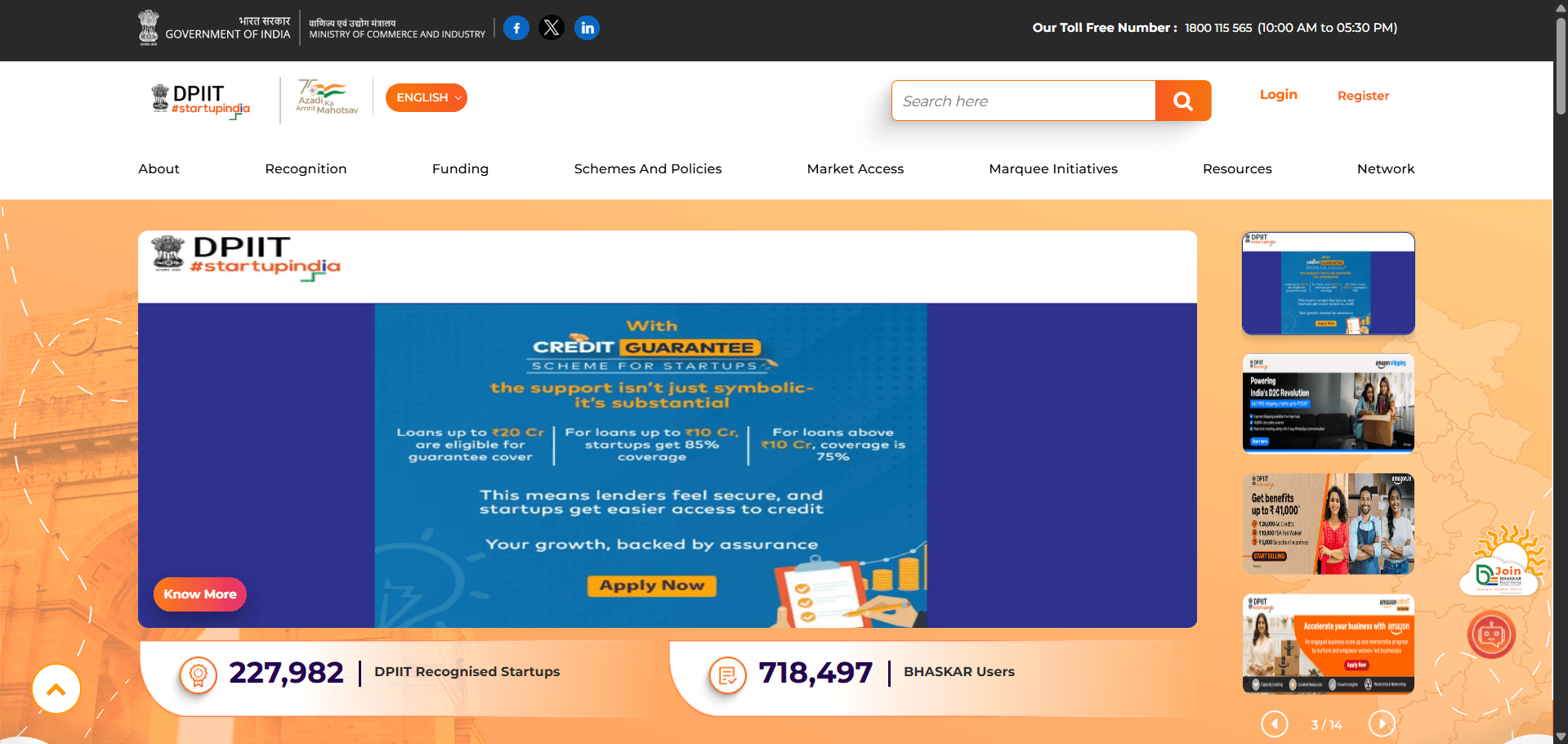
Startups may receive grant support of up to Rs. 20 lakh from the government to validate their proof of concept and conduct product trials, with up to Rs. 50 lakh is being released as debt or convertible debentures to facilitate market entry and growth. Funds are released based on each business's progress, allowing their incubators to track each startup's development and make decisions tailored to individual needs.
SISFS's eligibility requirements require that startups recognised by DPIIT be no more than 2 years old at the time of application and meet certain other requirements; any that do not fulfil these standards are rejected outright. A comprehensive application is also necessary; failing to do so can result in rejection. Applicants should submit their applications via an established incubator with proven success in working with startups.
Incubators offer various benefits to startups selected for their programs, including office space, mentorship, and training. Furthermore, incubators may provide seed money or services that help startups prepare for investor meetings. Furthermore, incubators boast extensive networks of investors that may connect them to potential partners and customers.
Incubators provide startups with assistance for documenting, negotiating and signing legal agreements with government bodies. They can also offer advice on structuring ventures to minimise risks. Finally, incubators can assist startups in developing business models that attract investors, creating websites and social media accounts, and devising marketing strategies to maximise their chances of success.
Market entry:
The Startup India Seed Fund Scheme (SISFS) can be an invaluable source of funding, providing early-stage startups with the capital needed to test and refine their ideas in real-world conditions and enhance product or service quality. Working through incubators as intermediaries, this fund disburses funds directly. Reducing personal investment requirements while simultaneously stimulating innovation. Furthermore, demonstrating government recognition could help startups secure funding in future rounds.
Entrepreneurs often struggle to secure seed funding, as angel investors and venture capitalists require proof of concept before providing funding. To address this challenge, the SISFS program assists startups in their proof of concept development, prototyping and product trials to reach a point where they can secure investment from angel investors or bank loans.
The SISFS program operates through incubators that serve as intermediaries to assess applications and select eligible startups for funding. Each incubator's committee evaluates each startup's potential for growth and impact before selecting those with the most promising ideas to fund them in stages tied to milestone achievements, ensuring they use their funds responsibly to reach their goals.
Entrepreneurs looking to apply for the SISFS program must register on the Startup India portal and fill out their profile with basic details. In addition, DPIIT recognition must be applied for to participate. Applicants may use the portal search to find eligible incubators; alternatively, they can contact each incubator directly about this scheme.
Incubators provide startups with many advantages, including free workspace and access to expert consultants. Furthermore, incubators can facilitate networking events, seminars, and workshops, and assist startups with legal, tax, and marketing issues. Furthermore, incubators connect startups with potential investors and support their commercialisation efforts; they may also help startups establish relationships with other incubators or government agencies.